عند اختيار جرار، تُعدّ القدرة الحصانية من أهم العوامل، وأكثرها سوء فهمًا. فالاختيار غير المناسب قد يؤدي إما إلى قدرة غير كافية تُقلّل من كفاءة العمل، أو إلى قدرة حصانية زائدة تزيد من استهلاك الوقود وتكاليف التشغيل.
في الواقع، لا يتعلق اختيار جرار صغير أو جرار زراعي باختيار أكبر رقم، بل يتعلق بمطابقة الآلة مع متطلبات الحقل الفعلية وظروف العمل ومدى توافقها مع المعدات.
يقارن هذا الدليل بين ثلاثة نماذج شائعة - 50 حصانًا و80 حصانًا و90 حصانًا - لمساعدتك في اتخاذ قرار أكثر عملية.
إن اختيار قوة الجرار يتعلق أساساً بتحقيق التوازن بين الكفاءة وتكلفة التشغيل والتوافق مع المعدات.
يضمن اختيار جرار ديزل مناسب أداءً مستقرًا للمعدات، ويتجنب المرور المتكرر في الحقل، ويمنع هدر الوقود غير الضروري الناتج عن اختيار قوة حصانية أكبر من اللازم. لذلك، يجب دائمًا اختيار القوة الحصانية بناءً على الاحتياجات الزراعية الفعلية وليس على المواصفات فقط.
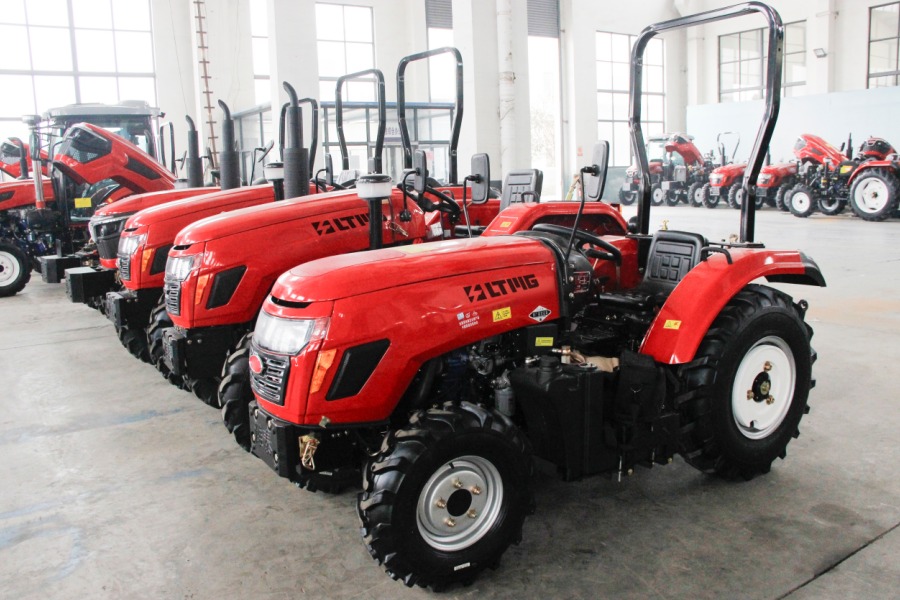
فيما يلي تفصيل لثلاثة نماذج نموذجية من جرارات LTMG ذات الدفع الرباعي.
جرار بقوة 50 حصان (مزارع صغيرة / بساتين / أعمال خفيفة)
الجرار ذو قوة 50 حصانًا هو آلة زراعية خفيفة مصممة للمزارع الصغيرة والبساتين وتطبيقات الزراعة الدقيقة. يوفر توازنًا جيدًا بين كفاءة استهلاك الوقود وسهولة المناورة، مما يجعله خيارًا شائعًا للمبتدئين بين الجرارات الصغيرة.
تم تجهيز طراز LY504 بمحرك ديزل بقوة 50 حصان (36.8 كيلوواط) ونظام دفع رباعي، مما يوفر قوة جر مستقرة عبر مختلف التضاريس.
يوفر أنظمة نقل اختيارية مثل 8F+2R أو 8F+8R، و PTO قياسي بسرعة 540 دورة في الدقيقة، وقدرة رفع هيدروليكية تبلغ حوالي 10-15 كيلو نيوتن، مما يجعله مناسبًا لأعمال الحراثة الدورانية والحراثة الخفيفة ومهام النقل.
تُعد وحدة 50 حصان حلاً مثالياً للمبتدئين في مجال الجرارات المدمجة للمستخدمين الذين يبحثون عن الكفاءة في التكلفة والقدرة الأساسية متعددة الوظائف في الزراعة.
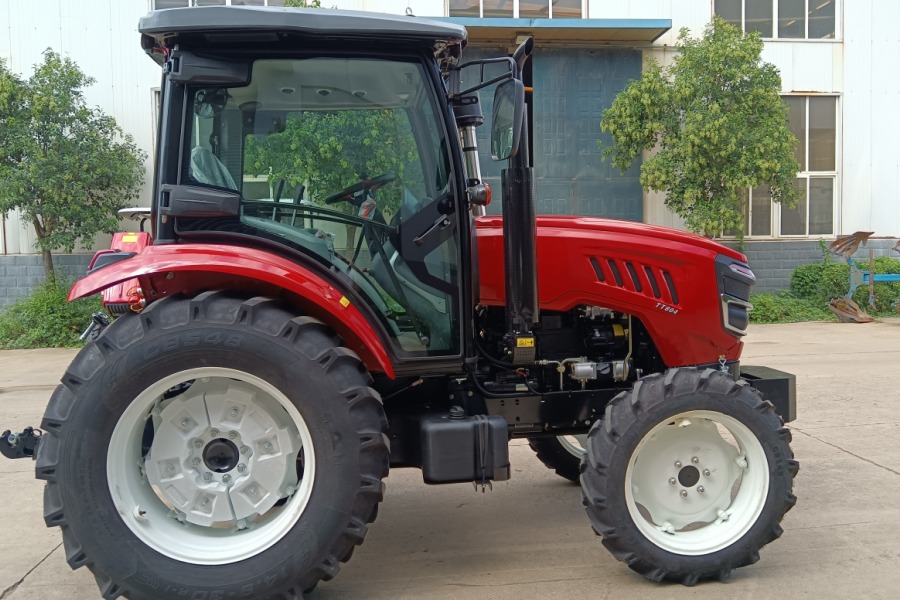
يُعدّ الجرار ذو قوة 80 حصانًا من أكثر جرارات المزارع متوسطة الحجم استخدامًا على مستوى العالم. وهو جرار متعدد الاستخدامات حقًا، ومناسب لمعظم العمليات الزراعية القياسية.
يتميز طراز LTB804 بمحرك ديزل بقوة 80 حصان (58.8 كيلوواط) ونظام دفع رباعي، مما يوفر قوة جر مستقرة في ظروف الحقل المعقدة.
بفضل خيارات النقل المتعددة، ونظام نقل الحركة القياسي بسرعة 540 دورة في الدقيقة، وقدرة الرفع الهيدروليكية التي تتراوح بين 20 و25 كيلو نيوتن، فهو متوافق مع الحراثة، والحراثة الدوارة، والأدوات متوسطة التحمل.
غالباً ما تعتبر فئة 80 حصان الخيار الأكثر توازناً بين الجرارات المعروضة للبيع، مما يجعلها خياراً قياسياً موثوقاً به لمعظم المستخدمين الزراعيين.
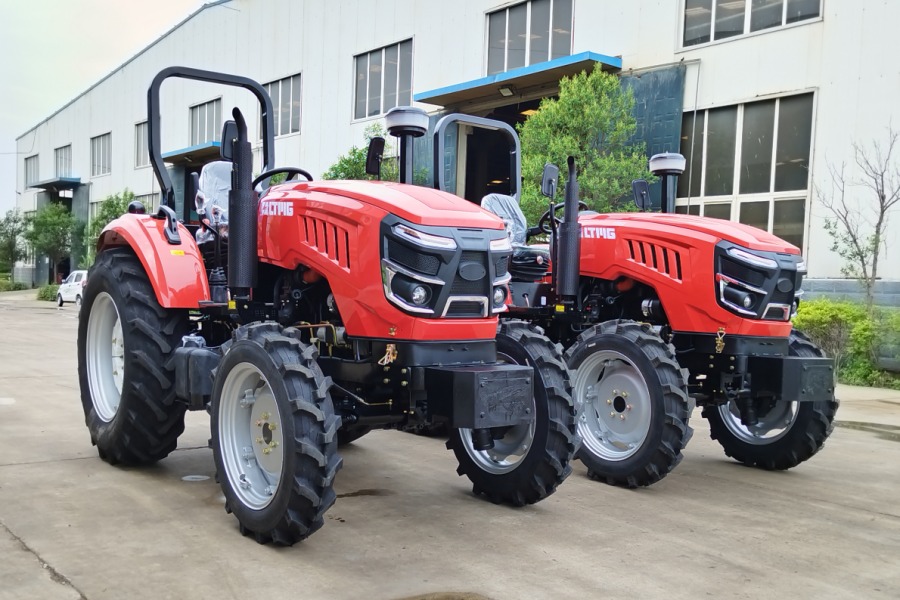
تم تصميم جرار LTB904 بقوة 90 حصانًا للأعمال الزراعية الشاقة. وهو مزود بمحرك ديزل توربيني بقوة 90 حصانًا (66.15 كيلوواط) وهيكل معزز للاستخدامات الشاقة.
يتميز بناقل حركة 12F+12R مع قابض مزدوج الفعل، ونظام PTO ثنائي السرعة (540/1000 دورة في الدقيقة)، ونظام هيدروليكي قوي، مما يجعله مناسبًا للأدوات الأكبر والأكثر تطلبًا.
يُعد طراز 90 حصانًا مثاليًا للمستخدمين الذين يحتاجون إلى أقصى إنتاجية من جرار رباعي الدفع عالي الأداء في البيئات الزراعية الصعبة.
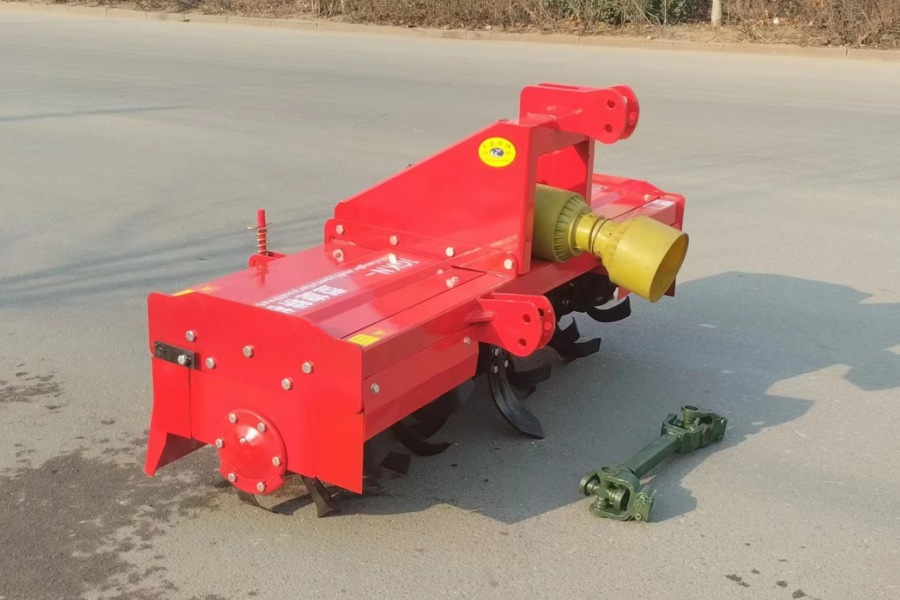
يعتمد الأداء الحقيقي للجرار بشكل كبير على مدى ملاءمته للأدوات الزراعية.
إحدى أكثر أدوات تحضير التربة استخداماً.
تُستخدم لقص العشب ومكافحة النباتات.
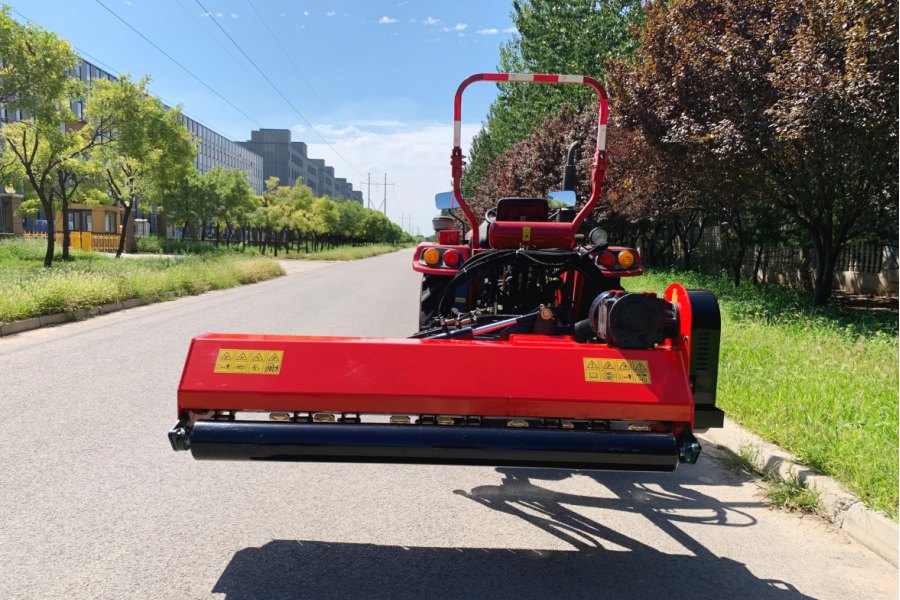
يستخدم لتسوية التربة بعد الحراثة وتفتيت الكتل الترابية.
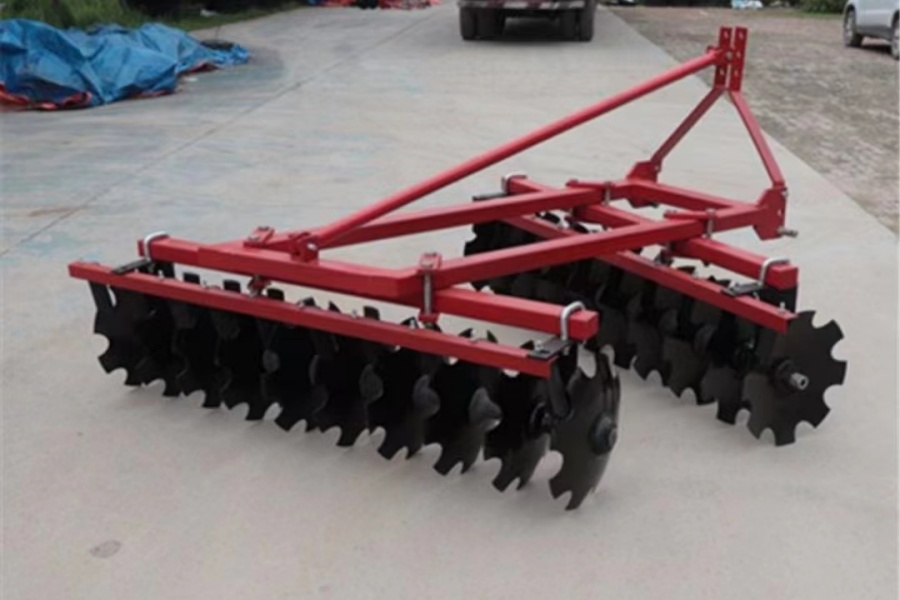
يستخدم في البساتين والزراعة القائمة على البنية التحتية.
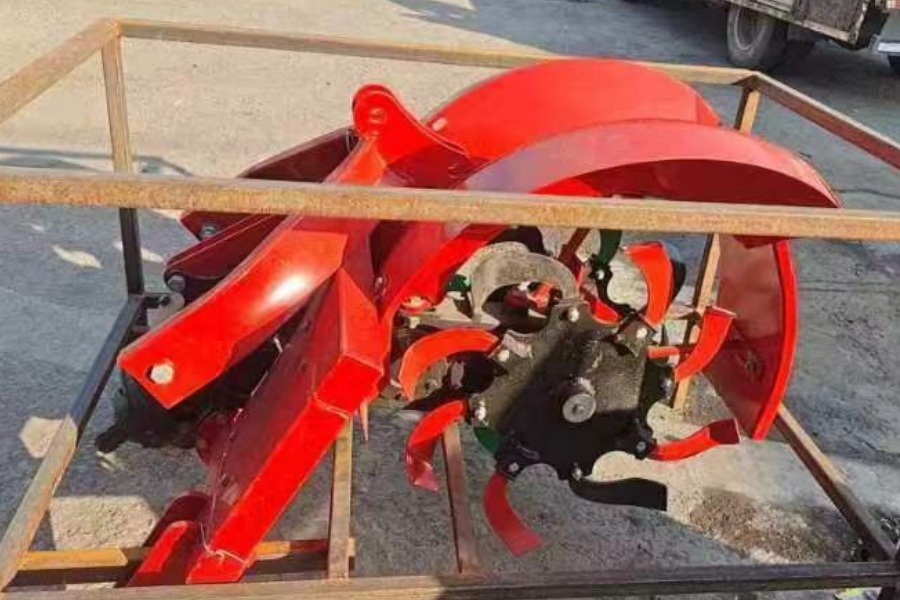
من الناحية العملية، لا تتحدد قدرة الجرار بقوة المحرك فحسب، بل أيضاً بمدى فعالية تكامله مع المعدات الزراعية. فالنظام المتكامل جيداً يحسن الإنتاجية بشكل ملحوظ ويقلل تكاليف التشغيل.
يتطلب اختيار الجرار المناسب تقييم عوامل متعددة، تشمل مساحة المزرعة، وظروف التربة، ونوع المعدات، وكثافة التشغيل. لا يوجد حل واحد يناسب الجميع، بل يوجد فقط ما يناسب احتياجاتك الخاصة.
سواء كنت تبحث عن جرار صغير الحجم للبيع، أو جرار زراعي متعدد الاستخدامات متوسط المدى، أو طراز دفع رباعي شديد التحمل للعمليات واسعة النطاق، فإن الاختيار الصحيح يضمن كفاءة أفضل وتوفيرًا في التكاليف على المدى الطويل.
في شركة LTMG، نقدم توصيات مصممة خصيصًا بناءً على ظروف العمل الفعلية، مما يساعد العملاء على اختيار الجرار والمعدات الزراعية الأنسب. وهذا يضمن أعلى إنتاجية، وأقل تكاليف تشغيل، وعائدًا أفضل على الاستثمار لكل مشروع زراعي.

بالنسبة للمزارع الصغيرة، عادةً ما يكون جرار بقوة 50-60 حصانًا كافيًا لأعمال الحقل الأساسية، والجز، والنقل الخفيف. فهو يوفر توازنًا جيدًا بين القوة وكفاءة استهلاك الوقود وسهولة المناورة.
الجرار ذو قوة 80 حصانًا أكثر ملاءمة لعمليات المزارع المتوسطة القياسية، بينما يوفر الجرار ذو قوة 90 حصانًا عزم دوران أعلى وأداءً أفضل للأعمال الشاقة وظروف الحقول الأكثر تعقيدًا.
يمكن استخدام جرارات المزارع مع ملحقات متنوعة مثل المحاريث، وآلات الحراثة الدوارة، والمقطورات، والرافعات، وآلات البذر. وتعتمد هذه التوافقية على قوة عمود إدارة الطاقة، والسعة الهيدروليكية، وقوة الجرار.
هاتف : +86 195 5920 7570
بريد إلكتروني : market@ltmg.com
واتس اب : +86 195 5920 7570
جمع : LTMG Group, Electronics City(Xiamen) International Innovation Center, No.23, Duiying Road, Jimei District, Xiamen, China


احصل على أحدث معلومات المنتج ومعلومات العرض



