مدونة
  • Selecting the Right Road Roller Tonnage: A Strategic Guide for Construction Efficiency
    Selecting the Right Road Roller Tonnage: A Strategic Guide for Construction Efficiency Feb 20, 2026
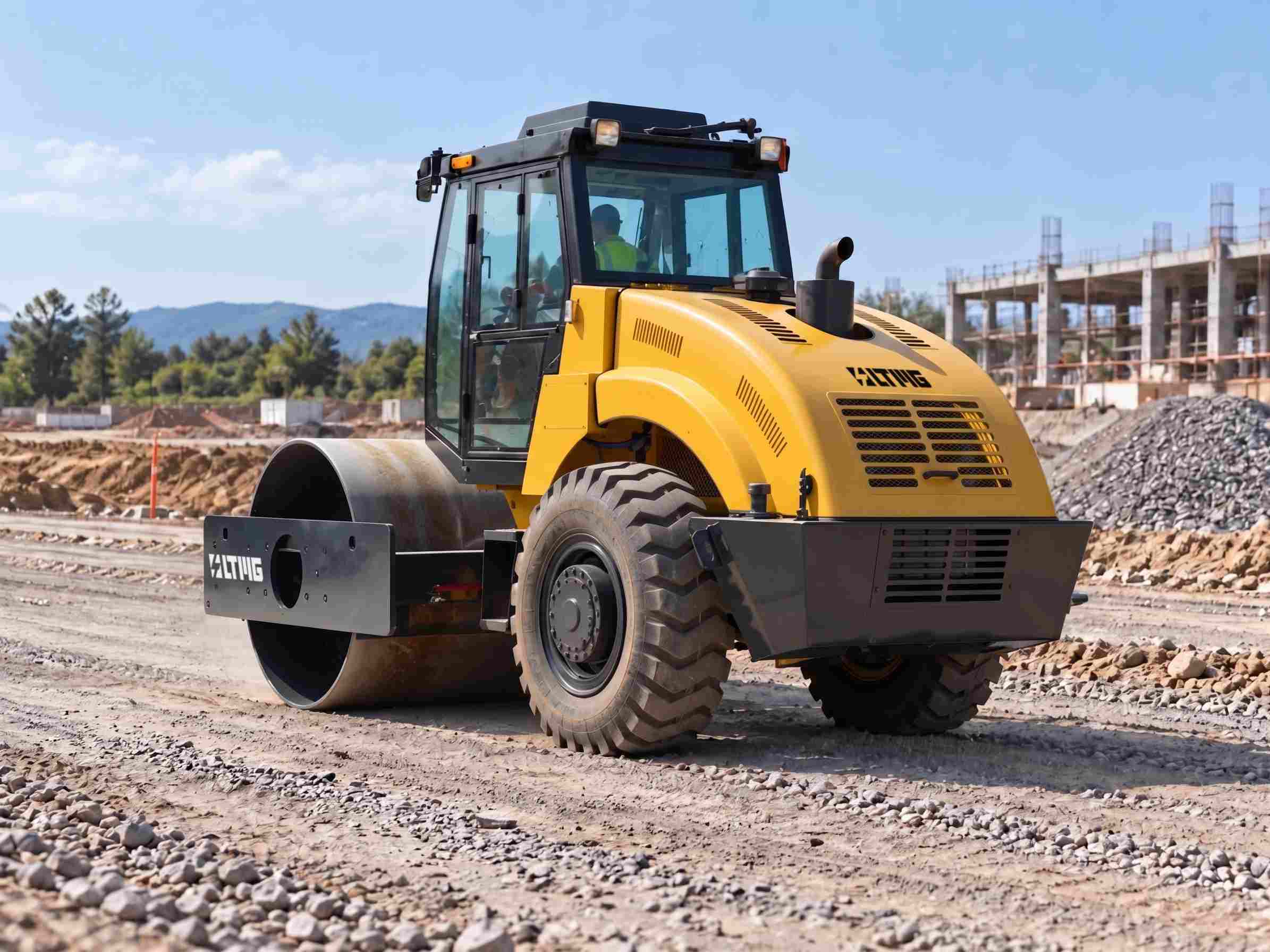
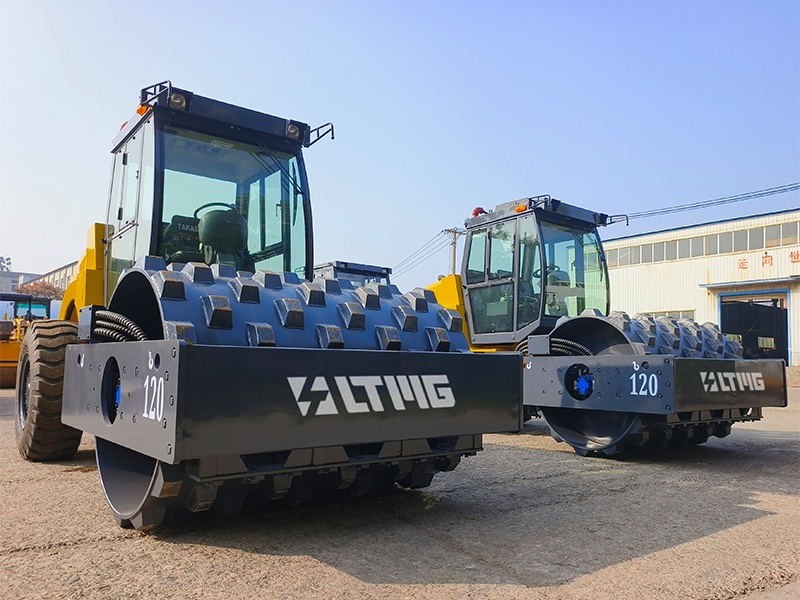
    1. Why Tonnage is the Critical Factor in Compaction In the world of earthworks and paving, the weight of your construction machine isn't just a number—it is the primary driver of soil density and surface integrity. Choosing the wrong tonnage leads to two costly extremes: Tonnage Too Small: Results in under-compaction, high air voids, and subsequent structural failure, leading to expensive rework. Tonnage Too Large: Increases fuel and transport costs and risks "over-compacting" or crushing the aggregate, which can compromise the material's load-bearing capacity. The Professional Insight: Correct tonnage is the intersection of compaction depth, centrifugal force, and material type. While static weight provides the "kneading" effect, the dynamic force of a vibratory roller allows for deeper influence. To achieve peak efficiency, you must match the machine’s total applied force to the specific lift thickness of your project. 2. Tonnage Recommendations by Project Type Selecting a roller based on the scope of the project ensures you aren't overpaying for power you don't use or under-performing on critical tasks. 2.1 Small-Scale Municipal & Landscaping (1–3 Tons) Best For: Sidewalks, residential driveways, garden paths, and patch repairs. Strategic Advantage: These compact models offer exceptional maneuverability in tight urban spaces. They are easy to transport via light trailers and are optimized for thin-layer compaction, where larger machines might damage surrounding curbs or structures. 2.2 Commercial Projects & Urban Roadways (4–10 Tons) Best For: Parking lots, city streets, and secondary roads. Strategic Advantage: This "utility" class provides the perfect balance between compaction power and mobility. A 7-ton or 8-ton vibratory roller is often the "goldilocks" solution for contractors who need a versatile machine capable of handling both sub-base soil and asphalt top coats. 2.3 Highways & Large Infrastructure (12 Tons and Above) Best For: Expressways, airport runways, dam foundations, and massive industrial pads. Strategic Advantage: These heavy-duty machines are designed for deep-layer compaction and high-volume output. They deliver the massive centrifugal force required to stabilize thick lifts of rock fill or heavy clay, ensuring the foundation meets stringent engineering tolerances. 3. Material Science: How Substrate Dictates Tonnage A professional procurement decision must account for the "Compaction Formula": Material Type + Lift Thickness = Required Tonnage. Soil & Clay Sub-bases: These require high amplitude and significant weight to overcome the internal friction of the soil. A heavier roller is usually preferred. Granular & Gravel Layers: These materials respond best to high-frequency vibration. Moderate tonnage with a high-performance vibratory system is ideal to settle the aggregate without crushing the stones. Asphalt Surface Courses: Here, the focus shifts to surface smoothness. While weight is needed for density, the machine must be agile enough to avoid "shoving" the hot mix. 4. Common Selection Pitfalls to Avoid Based on years of field feedback, avoid these three common mistakes: Ignoring Vibration Specs: Two 10-ton rollers can have vastly different compaction outputs. Always look at the frequency (Hz) and amplitude (mm) alongside the static weight. Overlooking Site Constraints: A 20-ton machine is useless if the site entrance or the bridge leading to the site has a 15-ton limit. Undersizing to Save Budget: Buying a smaller machine to save on upfront costs often backfires through increased labor hours and excessive fuel consumption as the machine struggles to reach the required density. 5. Final Decision Framework & Expert Consultation Before you finalize your next construction machine acquisition, follow these steps: Define the primary material (Soil, Gravel, or Asphalt). Calculate the maximum lift thickness (compacted layer depth). Evaluate the total area to be covered to determine required productivity rates. Build Your Fleet with LTMG Quality At LTMG, we understand that your project's success rests on the reliability of your equipment. Our range of vibratory rollers—from agile 1-ton municipal units to 20-ton infrastructure giants—is engineered for extreme durability and precision compaction. Featuring advanced hydraulic systems and ergonomic controls, LTMG road rollers are designed to maximize your ROI by reducing cycle times and maintenance overhead. Take the Next Step in Construction Excellence. Don't leave your compaction quality to chance. Contact the LTMG technical team today to receive a customized equipment assessment and a competitive quote tailored to your 2026 project pipeline.    
  • Tractor Maintenance Masterclass: Ensuring Long-Term Performance and ROI
    Tractor Maintenance Masterclass: Ensuring Long-Term Performance and ROI Feb 16, 2026
    1. Introduction: Why 80% of Tractor Failures are Preventable In the high-stakes world of modern farming, an agricultural tractor is more than just a vehicle; it is the backbone of your operational uptime. Industry data suggests that nearly 80% of mechanical breakdowns are the direct result of inadequate or deferred maintenance. When a farm tractor goes offline during the peak seeding or harvesting window, the loss isn't just the repair bill—it’s the catastrophic cost of standing labor and missed seasonal timing. Transitioning from a "reactive" repair mindset to a "proactive" maintenance framework is the single most effective way to lower your Total Cost of Ownership (TCO). 2. The Daily Inspection Checklist: Your First Line of Defense Consistency is the hallmark of a professional operator. Before turning the key each morning, a five-minute "walk-around" can identify a minor leak before it becomes a major engine seizure. Engine Oil & Coolant Levels: Ensure fluids are topped up to prevent overheating. Tire Pressure & Condition: Incorrect pressure leads to soil compaction and increased fuel consumption. Hydraulic Lines: Check for "weeping" hoses or oily residue near couplings. Braking & Steering: Verify responsive engagement before heading into the field. Battery Terminals: Look for corrosion that could lead to electrical starting failures. 3. Structured Maintenance Intervals: A Professional Roadmap Adhering to a standardized service schedule is critical for validating warranties and maintaining high resale value. Interval Key Tasks Strategic Focus Every 50 Hours Grease all lubrication points; clean air filters. Friction reduction & engine breathing. Every 250 Hours Change engine oil and filters; inspect fuel lines. Removing internal contaminants. Every 500 Hours Replace hydraulic fluid; check transmission belts. System-wide power delivery stability. Every 1000 Hours Deep cooling system flush; valve adjustments. Long-term structural integrity. 4. The Lifeblood: Hydraulic System Maintenance The hydraulic system is the "muscle" of any tractor. Contamination is the number one killer of hydraulic pumps and valves. Cleanliness is Paramount: Always wipe down couplings before connecting implements to prevent dirt from entering the system. High-Temperature Management: In tropical or high-summer conditions, monitor hydraulic oil viscosity. Thinning oil fails to provide the necessary film strength, leading to internal metal-to-metal contact. 5. Seasonal Protection Strategies A farm tractor faces different threats depending on the weather. Winter/Cold Season: Use high-quality anti-freeze and consider battery tenders. Diesel fuel can "gel" in extreme cold; ensure you are using winter-grade fuel or additives. Rainy/Monsoon Season: Moisture leads to rust on exposed cylinder rods and electrical oxidation. Apply anti-corrosion sprays to wiring harnesses and keep the machine sheltered when not in use. 6. Professional Habits to Extend Machine Life Avoid Overloading: Running a tractor consistently at 100% capacity shortens engine life by years. Match your implements to your horsepower. Quality Parts Matter: Using "will-fit" generic filters may save $20 today, but cost $20,000 in engine repairs later. Always prioritize OEM or high-spec equivalent parts. Operator Training: Establish standardized driving habits. Avoid "riding the clutch" or abrupt gear changes under heavy load. 7. Common Maintenance Errors to Avoid Ignoring "Minor" Leaks: A small oil drop today is a sign of a failing seal that will eventually cause a pressure drop. Delaying Filter Changes: Clogged filters force the engine to work harder, spiking fuel costs and internal temperatures. Using Poor Quality Fuel: Contaminated diesel clogs modern high-pressure common rail (HPCR) injectors, which are incredibly expensive to replace. 8. Conclusion: Maintenance is an Investment, Not an Expense   The longevity of your agricultural tractor is directly proportional to the discipline of your maintenance regime. By following a systematic approach, you ensure that your equipment remains a reliable partner in your farm's growth. At LTMG, we believe that professional-grade equipment deserves professional-grade support. Every tractor we provide is backed by comprehensive technical manuals and a global spare parts network to ensure your machine stays in the field, where it belongs. Do you need a customized maintenance schedule for your fleet? Contact our technical support team today for a consultation or to order a bulk maintenance kit for your specific model.    
  • How to Choose the Right Tractor for Your Farm Size: A Strategic Procurement Guide
    How to Choose the Right Tractor for Your Farm Size: A Strategic Procurement Guide Feb 09, 2026
    1. Introduction: Why the Wrong Tractor Can Derail Your Farm’s Profitability In the rapidly evolving landscape of 2026 global agriculture, mechanization is no longer just about replacing manual labor—it is about optimizing the thin margins of agribusiness. Choosing an agricultural tractor is one of the most significant capital investments a farm will make. However, a common pitfall for many managers is a mismatch between farm scale and machine specifications. Underpowered Units: Lead to increased engine strain, frequent breakdowns, and missed planting or harvesting windows. Overpowered Units: Result in excessive fuel consumption, higher insurance premiums, and unnecessary maintenance overhead. This guide leverages industry expertise to help you balance horsepower, soil requirements, and Total Cost of Ownership (TCO) to ensure your next farm tractor is an asset, not a liability. 2. Matching Tractor Horsepower to Farm Scale The size of your land is the primary determinant of the "class" of equipment you require. Below is a breakdown of how acreage typically dictates power requirements. 2.1 Small-Scale Farms (20-25 Hectares) Recommended Power: 25–50 HP Primary Applications: Orchards, vineyards, greenhouses, and small-scale vegetable rows. Strategic Advantage: These compact units offer high maneuverability in tight spaces and significantly lower fuel consumption. They are ideal for light tilling, mowing, and spraying. 2.2 Medium-Scale Farms (20–100 Hectares) Recommended Power: 60–100 HP Primary Applications: General grain farming, hay and forage production, and livestock management. Strategic Advantage: This is the "utility" category. These tractors offer enough hydraulic flow to run medium-duty implements while remaining economical enough for daily chores.   2.3 Large-Scale Operations (100+ Hectares) Recommended Power: 100+ HP Primary Applications: Large-scale row crops (wheat, corn, soy), heavy deep-plowing, and extensive hauling. Strategic Advantage: High traction and advanced transmission systems allow these machines to pull wide-width implements, covering more ground in fewer passes—essential for weather-dependent windows. Farm Size (Hectares) Recommended HP Range Best Suited Crops Key Feature Priority 1 – 20 25 – 50 HP Vegetables, Fruit, Berries Turning Radius & Fuel Economy 20 – 100 60 – 100 HP Grains, Hay, Livestock Versatility & Hydraulic Power 100+ 100 – 200+ HP Corn, Wheat, Soybeans Traction & GPS Compatibility 3. Four Critical Factors Beyond Acreage While size provides a baseline, professional procurement requires a deeper look at the operational environment. Topography (Plains vs. Hills): If your land has significant gradients, a 4WD tractor is non-negotiable for safety and stability. For flat, hardened surfaces, a 2WD model may suffice. Soil Composition: Heavy clay requires significantly more drawbar pull (and thus higher HP/weight) than sandy loam. Crop Specifics: Row crops require specific tire widths to avoid soil compaction, while orchards may require "narrow-track" specialized designs to pass between trees. Annual Operational Hours: If the tractor will run 1,000+ hours a year, prioritize premium builds with higher durability ratings and ergonomic cabs to reduce operator fatigue. 4. 2WD Tractor vs. 4WD Tractor: Which Drive System Fits Your Terrain? Selecting the drive system is a balance of upfront cost versus field performance. 2WD Advantages: Lower initial purchase price, simpler mechanical maintenance, and a tighter turning radius. Best for dry, flat conditions and light utility work. 4WD (or MFWD) Advantages: Superior traction in wet, muddy, or loose soil. It reduces wheel slippage, which in turn saves fuel and reduces tire wear over time. In 2026, 4WD has become the standard for most commercial agricultural tractor applications due to its higher productivity. 5. Total Cost of Ownership (TCO) Analysis A professional buyer looks beyond the sticker price. To calculate the true value of a tractor, consider the following: Acquisition Cost: Financing rates and initial price. Fuel Efficiency: The "liters per hectare" metric is more important than the "liters per hour" metric. Maintenance & Parts: Availability of filters, seals, and specialized components in your region. Resale Value: Established brands often retain 40-60% of their value after five years, whereas "no-name" brands may depreciate much faster. 6. Common Procurement Mistakes to Avoid Chasing Horsepower for Status: Buying more power than your implements require leads to "soil compaction" and wasted fuel. Ignoring Implement Compatibility: Ensure your tractor’s PTO (Power Take-Off) and hydraulic remotes match your existing seeders, plows, or balers. Overlooking After-Sales Support: A broken tractor during planting season is a financial disaster. Ensure your supplier has a robust spare parts network and localized technical support. 7. Conclusion: Making an Informed Decision The "right" tractor is the one that minimizes your cost per acre while maximizing your yield. By aligning your farm size with the appropriate horsepower and considering your specific soil and topography, you can secure a machine that powers your growth for a decade or more. Need a Customized Material Handling or Agricultural Solution? Selecting the perfect farm tractor requires balancing technical specs with a realistic budget. Contact our expert team today for a tailored consultation, or download our 2026 Tractor Selection Catalog to compare the latest high-efficiency models.   Would you like us to provide a specific quote for a 50HP or 100HP model based on your current crop type?    
  • Mini Excavator vs. Standard Excavator: Which is the Right Investment for Your Project?
    Mini Excavator vs. Standard Excavator: Which is the Right Investment for Your Project? Feb 06, 2026
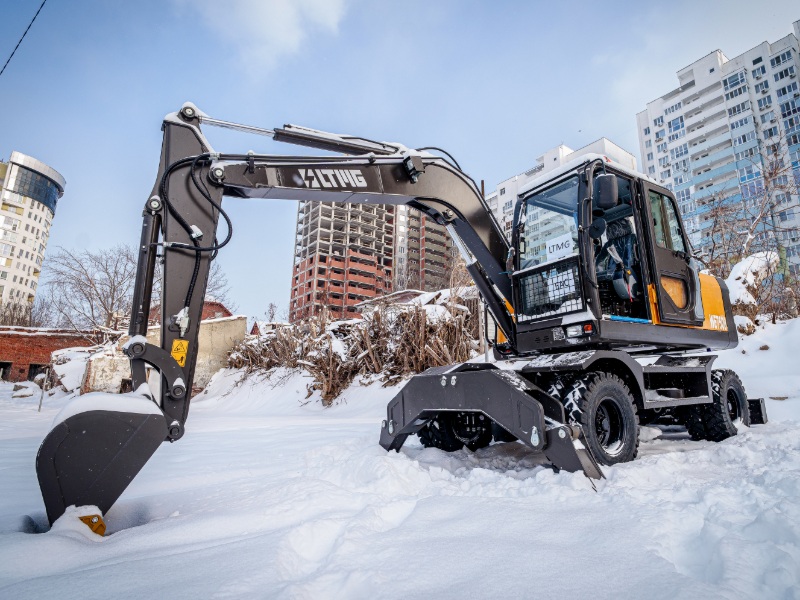
      Choosing the Right Equipment for Maximum ROI In the world of heavy machinery, the excavator is the backbone of almost every sector—from urban construction and roadwork to landscaping and large-scale mining. For project managers and fleet owners, the initial procurement decision is critical: Should you invest in a mini excavator or a standard excavator?   While the most visible difference is tonnage, the choice directly impacts operational efficiency, job site versatility, and long-term total cost of ownership. This guide breaks down the core differences to help you make a data-driven purchasing decision.   Size and Weight: Maneuverability vs. Stability Mini Excavators: Built for Confined Spaces A mini excavator (or compact excavator) typically refers to machines under 10 tons, with micro-models ranging from 1 to 3 tons. Compact Footprint: Their narrow chassis allows for easy navigation through tight alleys and indoor sites. Zero Tail Swing: Many models feature a short or zero-tail swing design, drastically reducing the risk of collisions in congested areas. Low Ground Pressure: Ideal for finished surfaces or soft terrain where minimizing ground disturbance is a priority. Standard Excavators: The Heavy-Duty Powerhouse Starting at 10 tons and peaking in the 20–40 ton range for common commercial use, standard excavators are built for scale. Greater Stability: The massive frame and wider tracks provide a stable platform for continuous, high-intensity digging. Longer Reach: The larger footprint supports a longer boom and arm, essential for deep excavation and heavy lifting.     Performance Capabilities: Digging Depth and Power Digging Depth and Working Envelope Mini Excavator: Generally offers a digging depth of 1–4 meters. It is designed for precision tasks like trenching for utilities or fine grading. Standard Excavator: Digging depths often exceed 4–8 meters, allowing for faster high-volume earthmoving and larger-scale foundation work. Lifting Capacity and Hydraulic Force Mini Models: Optimized for light-to-medium loads, such as moving pipes, small structural components, or landscaping materials. Standard Models: Boast superior hydraulic breakout force and lifting capacity, easily handling steel beams, large boulders, and heavy pre-cast concrete. Engine Output and Efficiency Mini excavators prioritize fuel economy and lower emissions, making them more "green-friendly" for urban projects. Conversely, standard excavators utilize high-horsepower engines to maximize production rates, though they consume more fuel per hour.   Application Scenarios: Finding the Perfect Match Where to Deploy a Mini Excavator: Residential renovations and backyard landscaping. Indoor demolition or site clearing. Urban utility repairs (gas, water, fiber optics). Agricultural irrigation and small-scale drainage projects. Where to Deploy a Standard Excavator: Commercial building foundations and basement excavation. Road, bridge, and highway infrastructure projects. Mining and quarrying operations. Large-scale land clearing and demolition.     Cost Analysis and Maintenance Upfront Procurement vs. Rental Cost A mini excavator offers a lower entry price, making it an attractive option for SMEs (Small and Medium Enterprises) or short-term contractors looking for a quick ROI. Standard excavators require a significant capital investment but offer a lower cost-per-cubic-meter for massive earthmoving projects. Maintenance and Parts Availability Mini Excavators: Simple structure and standardized parts make maintenance straightforward and cost-effective. Standard Excavators: Complex hydraulic systems and heavy-duty components require specialized technicians and higher-cost replacement parts. Logistics and Transportation One of the highest hidden costs is transport. A mini excavator can often be moved via a standard trailer or truck without special permits, whereas a standard excavator requires heavy-haul equipment and specialized logistics planning, increasing the cost of every mobilization. Ease of Operation Mini Excavators: Feature intuitive controls and a shorter learning curve. They are ideal for operators who need to jump between different tasks on a job site. Standard Excavators: Demand high-level operator skills and specific certifications due to the complexity and power of the machine.   Conclusion: How to Choose? Choosing the right excavator isn't about finding the "best" machine; it’s about finding the most cost-effective solution for your specific workload. Choose a Mini Excavator if: You face space constraints, have a limited budget, or work primarily on residential/utility projects. Choose a Standard Excavator if: You are managing large-scale earthmoving, have tight project deadlines, or require maximum lifting power.   Looking to expand your fleet? As a professional machinery supplier, we offer a full range of high-performance mini excavators and standard excavators designed for durability and efficiency. Whether you are looking for wholesale opportunities or customized equipment solutions, we are here to help your project succeed.  
  • Wheel Loader Guide: Understanding Model Differences to Find Your Best Match
    Wheel Loader Guide: Understanding Model Differences to Find Your Best Match Jan 19, 2026
    In the world of heavy equipment, the wheel loader is a staple for its versatility and power. However, with a vast range of models varying in size, performance, and configuration, many buyers find themselves asking: Which model will actually deliver the best ROI for my specific project?   The truth is, differences between wheel loader models aren't just about "bigger is better." Each machine is specifically designed for its intended application. By understanding the core classification logic and key technical differences, you can quickly identify the most cost-effective solution for your business.   This guide breaks down everything you need to know about wheel loader selection, from technical specs to procurement strategies.     1. Classification: How Wheel Loaders Are Categorized Before diving into the specs, it’s important to understand how manufacturers group these machines. This usually comes down to three factors: size, application, and power source. By Tonnage and Size: Small Wheel Loaders (≤5 Tons): Compact and agile. Perfect for tight spaces, landscaping, or small farm work. Medium Wheel Loaders (5–15 Tons): The industry workhorse. Balanced performance for general construction and roadwork. Large Wheel Loaders (>15 Tons): Heavy-duty giants designed for high-output environments like mines and large-scale infrastructure.     By Application: Models are often optimized for their "home" environment. A mining-spec loader features reinforced frames and high durability, while an agricultural model might prioritize multi-functionality and a lighter footprint for soft soil. By Power Type: Diesel Models: The traditional choice for high-intensity, long-duration work with a reliable supply chain for fuel. Electric/Hybrid Models: A growing trend in the industrial equipment market. They offer lower operating costs, zero emissions, and near-silent operation—ideal for indoor or eco-sensitive sites.   2. Key Differences Between Different Wheel Loader Models What exactly are you paying for when you move from one model to another? Here are the four critical areas of divergence.  2.1 Performance Parameters Payload and Operating Weight: A 3-ton compact loader is ideal for light debris, but a 20-ton model is necessary for handling high volumes of aggregate. Choosing the wrong tonnage leads to either wasted fuel or equipment strain. Engine Power & Torque: Higher horsepower equals faster cycles, while torque determines the "breakout force"—how hard the machine can push into a pile of heavy material. Speed: Small loaders are often faster and more "zippy" for frequent site transfers, whereas larger models focus on stability and consistent pace under heavy loads. 2.2 Structural Design Bucket Versatility: Models can be fitted with rock buckets (reinforced for stone), light material buckets (oversized for grain or snow), or standard GP buckets. The right bucket design can boost hourly productivity by over 20%. Tire Options: Depending on the model and terrain, you can choose between pneumatic tires for comfort, solid tires for scrap yards (to avoid punctures), or deep-tread tires for muddy mines. Chassis & Maneuverability: Most modern wheel loaders use an articulated frame. Smaller models offer a tighter turning radius, making them essential for urban procurement where space is at a premium. 2.3 Functional Features Control Systems: Entry-level models use basic mechanical levers, while premium models feature pilot-operated joysticks or semi-autonomous controls that reduce operator fatigue and improve precision. Attachments: Can the loader handle a log grapple, a pallet fork, or a hydraulic breaker? General-purpose models usually offer the best attachment flexibility. Safety & Comfort: High-end models include pressurized cabs, 360° cameras, and ROPS/FOPS protection, which are vital for long-term safety and meeting modern labor standards. 2.4 Maintenance and Operating Costs Fuel/Energy Consumption: While larger diesel machines have higher upfront pricing and fuel consumption, their "cost per ton moved" can be lower in high-volume operations. Maintenance Cycle: Small loaders are simpler to service. Large, high-tech models require specialized diagnostics but are often built with "heavy-duty" components that have a longer overall service life.   3. Selection Guide: How to Choose the Right Wheel Loader To get the best value for your investment, follow this simple logic: Define the Environment: Is it a narrow indoor warehouse or a sprawling open-pit mine? This dictates the size and tire type. Calculate the Volume: How many tons do you need to move per hour? Match this to the bucket capacity and engine output. Analyze the Total Cost of Ownership (TCO): Look beyond the initial purchase price. Consider fuel efficiency, spare parts availability, and potential resale value. Future-Proofing: If your projects vary, prioritize a model with a "quick-hitch" system for easy attachment swaps.   Conclusion The "best" wheel loader isn't the one with the most horsepower or the lowest price tag—it’s the one that matches your daily workload with the highest efficiency.   Whether you are looking for a nimble compact loader for municipal work or a massive heavy-duty machine for quarrying, we offer a comprehensive range of diesel and electric wheel loaders designed to maximize your uptime.   Looking for a competitive quote or detailed specifications? Browse our latest wheel loader product line or contact our experts today for a personalized recommendation and wholesale pricing options.  
  • Choosing a Reliable Excavator Partner: 6 Key Dimensions for Informed Decision-Making
    Choosing a Reliable Excavator Partner: 6 Key Dimensions for Informed Decision-Making Jan 14, 2026
    In any construction or infrastructure project, the excavator is the heartbeat of the site. Whether you are looking for a long-term fleet addition or a short-term rental, selecting a professional and trustworthy company is critical. The right partner directly impacts your project timeline, operational efficiency, and overall bottom line.   However, the market is saturated with providers of varying quality. How do you distinguish a world-class excavator supplier from a mediocre one? This guide breaks down six essential dimensions to help you evaluate potential partners and secure a successful cooperation.   1. Equipment Quality and Fleet Strength The hardware is the foundation of the service. A company’s true capability is reflected in the quality of its machinery and its fleet management standards. Inventory Depth: Does the company offer a full range of models? A top-tier excavator factory or distributor should provide everything from mini-excavators for urban utility work to large-scale machines for heavy mining. Machine Condition: Look at the ratio of new to old machines. Older fleets often lead to higher downtime, frequent breakdowns, and increased fuel costs. Maintenance Systems: Professionalism is found in the "invisible" work. Inquire about their standardized maintenance protocols, spare parts inventory, and the speed of their repair response team. A machine is only as good as the service that keeps it running. Safety and Compliance: Ensure the equipment meets local emission standards (like Tier 4 or Stage V) and is equipped with modern safety features such as ROPS (Roll-Over Protective Structures) and 360-degree cameras.   2. Service Professionalism and Technical Support High-quality iron is just the beginning; expert service is what ensures a project runs smoothly from start to finish. Technical Consultation: A reliable excavator manufacturer or dealer doesn't just sell you a machine; they help you choose the right one for your specific soil type and job site conditions.  Logistics and On-site Support: Check their delivery efficiency. Do they provide on-site installation, commissioning, and operator orientation? Operational Flexibility: For B2B procurement, flexibility is king. The best partners offer various models, including direct sales, long-term leasing, and trade-in programs to help you manage your capital flow.   3. Reputation and Industry Authority When dealing with high-value industrial equipment, company credibility is your greatest insurance policy. Credentials and Experience: How many years has the company been in the excavator manufacturing business? Look for industry certifications and a proven track record in projects similar to yours. Customer Reviews: Real-world feedback is the most honest indicator of reliability. Look for case studies, testimonials from long-term clients, and the company’s reputation for honoring warranties. Contractual Transparency: Reputable companies provide clear, standardized contracts with no hidden clauses regarding maintenance responsibilities or insurance coverage.     4. Pricing Strategy and Total Value Price is always a factor, but in heavy machinery, the "cheapest" option is often the most expensive in the long run. Price Transparency: A professional excavator supplier provides a detailed breakdown of costs, including delivery, taxes, and potential service fees. Total Cost of Ownership (TCO): Evaluate the machine based on fuel efficiency, maintenance intervals, and resale value. A slightly higher upfront purchase price for a high-efficiency machine often results in lower lifetime costs. Payment Terms: Look for partners offering reasonable down payments or flexible financing options that align with your project's milestone payments.   5. Value-Added Services and Long-term Stability The best relationships are built on more than just a transaction. Look for a partner that adds value to your business. Training and Safety Programs: Do they offer training for your operators to improve efficiency and reduce wear and tear? Supply Chain Stability: In a global market, the ability to source spare parts quickly is vital. Ensure your partner has a robust supply chain to avoid weeks of downtime for a single hydraulic seal. Future-Proofing: Choose a company that stays ahead of industry trends, such as electric-powered models or GPS-guided digging systems. 6. Avoiding Common Selection Pitfalls To make the most rational decision, be wary of these common mistakes: Trap #1: Price Over Quality. Choosing the lowest bid often results in frequent breakdowns and poor service response, which can derail your project schedule. Trap #2: Ignoring the Fine Print. Failing to clarify the scope of after-sales service or the definition of "normal wear and tear" can lead to disputes later. Trap #3: Skipping the Verification. Never take marketing claims at face value. Verify the excavator factory's production capacity or the supplier's warehouse stock whenever possible.   Conclusion Selecting an excavator partner is a strategic decision that balances equipment quality, service excellence, and financial sense. By focusing on these six dimensions, you move beyond "buying a machine" and toward "securing a solution."   Are you looking for a reliable partner for your next project? We are a leading excavator manufacturer committed to delivering high-performance machinery backed by expert technical support. Our range covers small, medium, and heavy-duty models designed to excel in the toughest environments.   Explore our latest excavator models  Request a customized quote for your project Contact our consultants for technical guidance Partner with us to ensure your project is built on a foundation of power and reliability.    
  • Why Backhoe Loaders Are the Most Versatile Equipment for Small and Mid-Sized Construction Sites
    Why Backhoe Loaders Are the Most Versatile Equipment for Small and Mid-Sized Construction Sites Jan 12, 2026
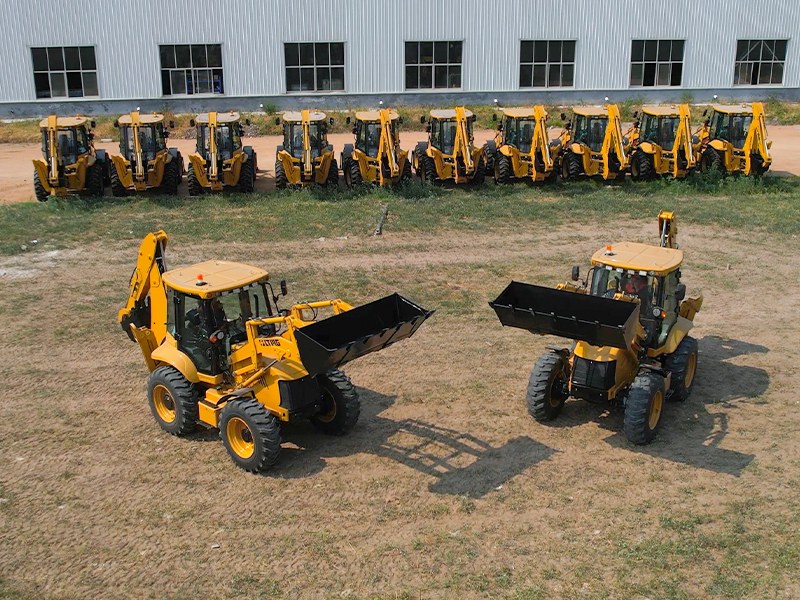
    For small and medium-sized construction projects, equipment management is often a balancing act. Tight spaces, complex workflows, and limited budgets mean that every machine must earn its keep. This is where the backhoe loader shines—a machine designed to solve the inefficiency of single-purpose equipment.     The Versatility of the Backhoe Loader: Two Machines in One The core value of a backhoe loader lies in its "dual-function" architecture. By integrating two essential construction tools into a single chassis, it eliminates the need for multiple specialized machines. Front Loader System: Capable of loading, leveling, and short-distance transport—comparable to a compact wheel loader. Rear Excavator System: Equipped with a hydraulic boom and bucket for trenching, foundation digging, and heavy lifting. For many contractors, finding a reliable backhoe loader supplier is the first step toward streamlining their fleet and reducing overhead.   Why SME Sites Prefer Backhoe Loaders 1. Superior Mobility and Space Efficiency Unlike massive excavators that require specialized heavy haulers, a backhoe loader is compact and road-legal in many regions. It can navigate narrow alleys in urban renovations or tight rural paths where larger machinery simply cannot fit. 2. Optimized Cost Control Purchasing one versatile machine is significantly more cost-effective than buying separate units. When you factor in the backhoe loader price against the combined cost of a mini-excavator and a small loader, the savings are immediate. Additionally, you only need one operator and one maintenance schedule. 3. All-Phase Utility From the first day of site clearing to the final stages of landscaping and waste removal, the backhoe loader stays busy. This high utilization rate ensures a faster return on investment (ROI).     Real-World Applications of Backhoe Loader: Where It Excels The adaptability of this equipment allows it to transition seamlessly between different project types: Residential Projects: Digging foundations for utilities, clearing construction debris, and grading driveways. Rural Infrastructure: Perfect for irrigation projects, small bridge foundations, and road widening. Municipal Maintenance: Ideal for sidewalk repairs, pipe replacements, and emergency roadwork. Emergency Repairs: Its ability to travel quickly to a site makes it the first choice for burst pipes or storm cleanup.   BLT388 backhoe loader arrives in Gladko, delivering reliable power and performance to support municipal projects and drive the city’s future growth   Function Expansion via Attachments The versatility is further enhanced by specialized tools: Hydraulic Breaker: For demolishing concrete or asphalt. Grapple: For handling irregular debris or timber. Auger: For drilling post holes and fencing. Comparative Analysis: Backhoe Loader vs. Other Equipment Feature Backhoe Loader Single-Function (Excavator/Loader) Heavy Machinery Versatility High (Digs & Loads) Low (Single Task) High Power / Low Flexibility Transport Easy (Self-drive/Standard Trailer) Requires specialized transport Complex logistics Labor Cost Low (1 Operator) High (Multiple Operators) High (Specialized Crew) Site Suitability Small to Medium Sites Variable Large-scale Projects only   Buyer’s Guide: Choosing the Right Backhoe Loader If you are looking to buy a backhoe loader, consider these four steps to ensure you get the best value: Step 1: Define Your Primary Tasks Analyze your most frequent jobs. Do you need deeper digging depth or higher loading capacity? Knowing your "power profile" helps you choose the right engine and hydraulic specs. Step 2: Site Conditions vs. Machine Size For tight urban work, prioritize "compact" models with a small turning radius. For open rural projects, a standard or heavy-duty model will offer better efficiency. Step 3: Evaluate Total Cost of Ownership (TCO) Don't just look at the initial backhoe loader price. Evaluate fuel consumption, maintenance intervals, and the availability of wear parts. A slightly higher upfront cost for a reputable brand often saves thousands in long-term repairs. Step 4: Choose a Support-Oriented Supplier A great backhoe loader supplier doesn't just sell you a machine; they provide technical support, rapid parts delivery, and reliable after-sales service. This ensures your machine stays on the job, not in the shop.   The Verdict for Small Construction Sites The backhoe loader remains the gold standard for versatility. It balances power with mobility and cost with capability. As technology advances—improving fuel economy and precision controls—this "Swiss Army knife" of construction will continue to be the cornerstone of small and medium-sized project success.   Ready to Boost Your Construction Efficiency? In the competitive world of small and medium-scale construction, choosing the right equipment is the most critical decision for your bottom line. As a leading backhoe loader supplier, we specialize in delivering high-quality, versatile machines tailored to your specific project needs and operational challenges.   Whether you are looking for a competitive backhoe loader price for a single unit or need to consult on a fleet upgrade, our experts are ready to provide you with a customized solution and a transparent, comprehensive quote.   [Contact Us Today] to find the perfect backhoe loader for your business and take your project productivity to the next level!    
  • Wheel Loader Selection Guide: Choosing the Right Model and Tonnage for Your Industrial Projects
    Wheel Loader Selection Guide: Choosing the Right Model and Tonnage for Your Industrial Projects Jan 05, 2026
    Introduction: Why Selecting the Right Wheel Loader Matters In the heavy machinery industry, the wheel loader is a cornerstone of material handling. Choosing the right equipment can boost operational efficiency by over 30%. Conversely, a mismatch in selection often leads to equipment idling, unnecessary procurement costs, and project delays. This guide offers a comprehensive analysis of wheel loader models, tonnage, and various application scenarios. Whether you are a construction site manager, a mining operator, or a heavy equipment procurement officer, this framework will help you maximize your Return on Investment and operational output.     Fundamental Knowledge: Understanding Wheel Loader Specifications 2.1 Definition and Core Functions A wheel loader is a versatile earthmoving machine mounted on tires, designed to scoop, carry, and discharge materials using a front-mounted bucket. Beyond basic loading, its core industrial functions include: Bulk Material Handling: Efficiently moving sand, gravel, soil, and coal. Short-Distance Transport: Acting as a vital link between the job site and the stockyard. Stockpiling & Grading: Essential for logistics and warehousing management. Multipurpose Versatility: Through quick-coupler attachments, it can perform tasks such as bulldozing, leveling, and hydraulic breaking. 2.2 Classification: Mapping Models to Tonnage Understanding the classification system is the foundation of professional equipment procurement. By Structural Design Machine Category Tonnage Range Structural Features Key Advantages Typical Applications Standard Loader 3 - 8 Tons Traditional articulated frame Balanced & versatile General construction & earthworks Compact Loader 1 - 3 Tons Optimized for confined spaces Small turning radius; highly mobile Urban utility & indoor jobs Heavy-Duty Loader >10 Tons Reinforced structural frame High payload; extreme durability Large-scale mining & quarrying   By Power Source Power Type Tonnage Coverage Core Advantages Typical Applications Diesel Powered Full Range High torque; easy refueling Remote sites & heavy-duty tasks Electric (EV) 1 - 5 Tons Zero emissions; low noise Indoor warehouses & green projects Hybrid >5 Tons Optimized fuel efficiency High-frequency loading cycles   LT958 5 Ton Wheel Loader LT910 1 Ton Wheel Loader LT930 3 Ton Wheel Loader   3. Core Selection Dimensions: Matching Equipment to Scenarios 3.1 Industry-Specific Requirements Selecting a front-end loader requires a deep understanding of the working environment. Here is a breakdown of recommended tonnages for various sectors: Industry / Scenario Recommended Tonnage Key Selection Factors Residential Construction 3 Tons Compact body, small turning radius Infrastructure Projects 5 Tons High cycle speed, maximized bucket capacity Mining (Open-pit) 5 – 8+ Tons Heavy-duty frame, high breakout force Quarrying ≥6 Tons Rock-specific buckets, reinforced tires Agriculture & Livestock 2 – 3 Tons Corrosion resistance, attachment versatility Logistics & Warehousing 2 – 4 Tons Maneuverability, electric options for indoors Road Construction 5 – 6 Tons Large bucket, continuous high-intensity work   3.2 Strategic Procurement Considerations Beyond tonnage, professional buyers should evaluate these five dimensions to ensure long-term value: Site Constraints & Mobility: A standard 5-ton loader requires a turning radius of approximately 6 meters. For tight urban spaces, all-wheel steering or compact articulated models are preferred over raw power. Task Complexity & Attachments: If the job involves various tasks (e.g., pallet handling, snow removal), prioritize loaders with hydraulic quick-couplers. This transforms a single machine into a multi-tool asset. Investment and Budgeting: While the wheel loader price is a major factor in your procurement decision, focus on long-term ROI. A high-quality machine from a top-tier wheel loader supplier might have a higher upfront cost but will save you thousands in fuel and repairs over its lifespan. Total Cost of Ownership (TCO): The purchase price is only the tip of the iceberg. Focus on fuel efficiency, maintenance intervals, and the availability of spare parts. Reliable brands offer better resale value, which is a critical factor in fleet management. Fleet Synergy: A loader must match the capacity of your dump trucks. An imbalance (e.g., a loader bucket that is too small for the truck bed) creates bottlenecks and wastes fuel.   4. Common Pitfalls in Wheel Loader Procurement 1: Over-Specification (The "Bigger is Better" Myth): Operating a heavy machine at only 50% capacity leads to high fuel consumption and unnecessary wear. Aim for the 70%–90% utilization "sweet spot." 2: Ignoring Environmental Factors: High-salt, high-humidity, or high-dust environments require specialized coatings and filtration systems. Neglecting these "environment-ready" options will shorten the machine's lifespan. 3: Underestimating After-Sales Support: One common mistake is prioritizing the lowest wheel loader price over machine durability. Often, the cheapest option comes from an unverified wheel loader supplier with no local service network, leading to high 'hidden costs' when the machine breaks down on-site.   5. Conclusion: The Logic of Scientific Selection Successful wheel loader procurement is a balance between technical capability and economic efficiency. To make the best decision, synthesize these three pillars: Model Selection: Determines the technical route and task versatility. Tonnage Determination: Defines the boundaries of productivity and efficiency. Scenario Analysis: Identifies site-specific constraints and unique demands. For complex projects, we recommend consulting with a heavy machinery specialist to conduct a site-specific simulation. Choosing the right equipment is not just a purchase; it is the first step toward project profitability, and choosing a reputable wheel loader supplier is as important as the machine's specs. As a premier wheel loader supplier with decades of industry experience, we offer more than just high-quality equipment— we provide efficiency. Not sure which tonnage fits your specific job site? We are ready to provide a free site-loading analysis and a detailed wheel loader price list tailored to your project requirements.  
  • الكفاءة تلتقي بالتنوع: الدليل الاستراتيجي لشراء الجرافات ذات العجلات المدمجة
    الكفاءة تلتقي بالتنوع: الدليل الاستراتيجي لشراء الجرافات ذات العجلات المدمجة Dec 17, 2025
    في قطاعي الإنشاءات الحديثة والخدمات اللوجستية الصناعية، لم يسبق أن كان الطلب على المعدات التي تجمع بين القوة والحجم الصغير أعلى مما هو عليه الآن. بالنسبة لمديري أساطيل النقل ومسؤولي المشتريات، تحولت الجرافة ذات العجلات المدمجة من أداة متخصصة إلى ركيزة أساسية للكفاءة التشغيلية. يستكشف هذا الدليل المزايا التقنية والتطبيقات متعددة القطاعات لـ لوادر ذات عجلات صغيرة، مما يوفر الرؤى اللازمة لاتخاذ قرار استثماري مدروس لأعمالك.  ما الذي يميز الجرافة ذات العجلات المدمجة ذات الجودة الاحترافية؟صغير الحجم جرافة ذات عجلات إنها ليست مجرد نسخة مصغرة من نظيراتها الثقيلة، بل هي آلة مصممة خصيصاً لهذا الغرض، ويتراوح وزنها التشغيلي عادةً من 3000 كجم إلى 8000 كجم. السمة الهندسية المميزة هي نظام التوجيه المفصلي. على عكس الآلات ذات الإطار الصلب، يدور هيكل اللودر ذي العجلات المدمج، مما يسمح للعجلات الخلفية بـ fتابع المسار الدقيق للعجلات الأمامية. هذا يقلل من تآكل الإطارات ويوفر نصف قطر دوران أصغر - وهو أمر بالغ الأهمية للتنقل في مواقع العمل المزدحمة أو ممرات المستودعات الضيقة. المزايا الأساسية: لماذا تُعدّ الجرافات ذات العجلات المدمجة استثمارًا عالي العائد؟1. قدرة فائقة على المناورة وسهولة الوصول إلى الموقعيُتيح التصميم المفصلي حركة دقيقة في الأماكن الضيقة التي تعجز فيها الرافعات التقليدية. وهذا ما يجعلها الخيار الأمثل لمشاريع البنية التحتية الحضرية والتطبيقات الصناعية الداخلية.2. تكامل الملحقات متعددة الوظائفيُعدّ تعدد استخدامات الجرافات ذات العجلات المدمجة أحد أهمّ العوامل الدافعة لاقتنائها. فباستخدام أنظمة هيدروليكية عالية التدفق وتقنية التوصيل السريع، يمكن تجهيز وحدة واحدة بما يلي:شوكات نقل البضائع على منصات نقالة لإدارة الخدمات اللوجستية والساحات.كاسحات هيدروليكية لصيانة المواقع.4-دلاء متعددة الاستخدامات للتعامل مع المواد.3. تحسين الكفاءة التشغيليةعلى الرغم من حجمها، تتميز الجرافات ذات العجلات المدمجة الحديثة بقوة اختراق وقدرات رفع مذهلة. كما أنها توفر سرعات سير أعلى من الجرافات الانزلاقية، مما يقلل بشكل كبير من أوقات الدورات عند نقل المواد عبر المواقع الكبيرة.4. الهندسة التي تركز على المشغلمن وجهة نظر الخبرة، تؤثر راحة المشغل بشكل مباشر على الإنتاجية. تتميز اللوادر المدمجة الممتازة بكبائن مضغوطة توفر رؤية بزاوية 360 درجة، وأدوات تحكم مريحة تعمل بعصا التحكم، وأنظمة تكييف هواء متطورة، مما يقلل من الإرهاق أثناء فترات العمل الطويلة.5. انخفاض التكلفة الإجمالية للملكية (TCO) بالنسبة للشركات التي تركز على الربحية، توفر الجرافات ذات التوجيه المفصلي كفاءة ممتازة في استهلاك الوقود وسهولة في الصيانة. كما أن انخفاض احتكاك الإطارات (المتأصل في التوجيه المفصلي) يُترجم إلى انخفاض التكاليف التشغيلية على المدى الطويل مقارنةً بالجرافات الانزلاقية.  التطبيقات الصناعية: حيث يلتقي الأداء بالطلبالإنشاءات والبنية التحتية الحضريةبدءًا من أعمال الردم السكنية وحتى التطوير التجاري على نطاق صغير، توفر رافعات الخرسانة المسلحة قوة الرفع المطلوبة دون عبء النقل اللوجستي للآلات الثقيلة.إدارة الزراعة والثروة الحيوانيةفي القطاع الزراعي، تعتبر هذه الجرافات ضرورية للتعامل مع الأعلاف، وإدارة السماد، وإجراء صيانة الحظائر، حيث تكون التصاميم المنخفضة ضرورية لتجاوز العوائق العلوية.خدمات تنسيق الحدائق والخدمات البلدية تستخدم البلديات الجرافات الصغيرة للقيام بمهام على مدار العام، بما في ذلك إزالة الثلوج وإصلاح الطرق وصيانة الحدائق العامة، مستفيدة من قدرة الآلة على السير على الأسطح الحساسة دون التسبب في أضرار. استراتيجية الشراء: كيفية اختيار المورد المناسبعند تقييم موردي ونماذج اللوادر ذات العجلات، ضع في اعتبارك هذه المواصفات الفنية الهامة:القدرة التشغيلية المقدرة (ROC): تأكد من أن الآلة تلبي متطلبات الرفع الأثقل لديك مع هامش أمان.توافق المحرك: ابحث عن محركات متوافقة مع معايير الانبعاثات من المستوى الرابع النهائي أو المرحلة الخامسة لتلبية معايير الانبعاثات العالمية.معدلات التدفق الهيدروليكي: أمر بالغ الأهمية إذا كنت تخطط لتشغيل ملحقات عالية الطلب مثل آلات تسوية الثلج أو آلات نفخ الثلج.خدمة ما بعد البيع: أعط الأولوية للموردين الذين يقدمون باقات ضمان قوية وقطع غيار متوفرة بسهولة. الجرافات ذات العجلات المدمجة مقابل الجرافات الانزلاقية: أيهما أفضل؟على الرغم من أن كليهما "صغير الحجم"، إلا أن الاختيار يعتمد على حالة الاستخدام المحددة الخاصة بك:اختر جرافة ذات عجلات صغيرة إذا: كنت تعطي الأولوية لكفاءة استهلاك الوقود، والرؤية، وسرعات السير العالية، والحد الأدنى من إتلاف الأرض.اختر جرافة انزلاقية إذا: كنت تعمل بشكل أساسي في مساحات ضيقة للغاية، تتطلب "الانعطاف في لحظة" وتحتاج إلى مجموعة أوسع من ملحقات الهدم المتخصصة. خاتمةيُعدّ اختيار المعدات المناسبة قرارًا تجاريًا بالغ الأهمية. سواء كنت تبحث عن شريك بيع بالجملة، أو حلول تصنيع المعدات الأصلية المُخصصة، أو ببساطة عن أكثر جرافة ذات عجلات صغيرة موثوقية لتطبيقك المحدد، فإن فريقنا من الخبراء الفنيين على أتم الاستعداد لتقديم المساعدة.📮 البريد الإلكتروني: market@ltmg.com📞واتساب/وي شات:+86 19559207570  
  • الكفاءة التآزرية: لماذا يُعدّ ثنائي الحفارة الثقيلة والرافعة الشوكية المعيار الذهبي لعمليات التعدين؟
    الكفاءة التآزرية: لماذا يُعدّ ثنائي الحفارة الثقيلة والرافعة الشوكية المعيار الذهبي لعمليات التعدين؟ Dec 12, 2025
     في ظل المشهد المتطور للتعدين الحديث، أصبحت بيئات العمل أكثر تعقيداً. لقد ولّى عهد الاعتماد على الآلات المنعزلة. اليوم، أصبحت أساطيل المعدات المتكاملة هي الاتجاه السائد لشركات التعدين التي تسعى إلى تحقيق أقصى قدر من الإنتاجية وتقليل النفقات التشغيلية. 1. الاتجاه الجديد: من الوحدات المستقلة إلى الحلول النظامية غالباً ما تُمثل مواقع التعدين تحديات بالغة الصعوبة، بما في ذلك الارتفاعات الشاهقة، والتقلبات الشديدة في درجات الحرارة، والتكوينات الصخرية الكاشطة. في هذه البيئات عالية الكثافة، لا تستطيع أي آلة بمفردها تغطية سير العمل بالكامل بكفاءة - بدءاً من الحفر وإزالة التربة السطحية وصولاً إلى مناولة المواد بدقة.حفارةورافعة شوكيةيمثل هذا المزيج استجابة استراتيجية لهذه التحديات، حيث يوفر سير عمل مبسطًا يغطي جميع الجوانب.  2. قلب المنجم: دور الحفارات الثقيلة تُعتبر الحفارة الثقيلة بمثابة "القلب النابض" لموقع التعدين. فهي تُكلف بأثقل الأعمال - الحفر، والتجريف، والتحميل الثقيل - ويحدد أداؤها بشكل مباشر إجمالي الإنتاج اليومي للمنجم.  الاختيار المميز:حفارات تعدين ثقيلة الخدمة بوزن 23-60 طن صُممت هذه السلسلة لتحمل أقسى الظروف، وقد تم تعزيزها بمكونات عالمية المستوى:نظام هيدروليكي متطور ذكي: يتميز بمضخة رئيسية كهربائية للتحكم الإيجابي من نوع Rexroth A8VO225 المستوردة. يوفر هذا النظام إزاحة أكبر واستجابة شبه فورية، مما يعزز كفاءة الطاقة بشكل ملحوظ ويقلل من تأخير التشغيل أثناء دورات الحفر الثقيلة.محرك قوي وموثوق: يعمل بمحرك Cummins QSM11 أمريكي أصلي، تم ضبطه خصيصًا لبيئات التعدين. يوفر هذا المحرك احتياطيات عالية من عزم الدوران وقوة ثابتة مع كفاءة مثالية في استهلاك الوقود، مدعومًا بشبكة عالمية سريعة الاستجابة لخدمات ما بعد البيع.نظام التحكم الدقيق: يعمل الصمام الرئيسي للتحكم الإلكتروني RCS35 كـ "النظام العصبي" للآلة، مما يضمن حركة فائقة الدقة وتشغيلًا متزامنًا متعدد الوظائف حتى لأكثر المهام تطلبًا.قوة جر شديدة التحمل: بفضل محرك السفر Doosan TM100، يوفر الهيكل السفلي قدرة قوية على صعود المنحدرات وحركة موثوقة، مما يضمن أداءً ثابتًا على التضاريس الوعرة وغير المستوية النموذجية لحفر التعدين.تقنية الصيانة الذكية: يوفر نظام التشحيم المركزي التلقائي إمدادًا منتظمًا ودقيقًا بالشحم للمكونات الحيوية التي يصعب الوصول إليها. وهذا لا يُوحّد عملية الصيانة ويمنع التآكل المبكر فحسب، بل يُقلل أيضًا بشكل كبير من تكاليف العمالة اليدوية ووقت توقف الآلات.  3. المساعد متعدد الاستخدامات: رافعات شوكية للتعدين لنقل الموادبينما تمثل الحفارة قوة خام، فإن رافعة الشوكة التعدينية تعمل كـ "يد متعددة الاستخدامات" في الموقع. فهي تسد الفجوة بين الحفر الثقيل والخدمات اللوجستية، وتتولى مهامًا مثل نقل الكتل ودعم صيانة المعدات وتنظيف الموقع. الاختيار المميز:رافعات شوكية للتعدين من طراز LTMG 23-45 طن تشتهر سلسلة LTMG بقدرتها العالية على تحمل الأحمال وقابليتها للتكيف مع وظائف متعددة:مقصورة مضغوطة مريحة: صُممت هذه المقصورة الواسعة والمضغوطة خصيصًا للبيئات القاسية، وتتميز بعزل صوتي عالي الأداء وتخميد للاهتزازات. تضمن الرؤية البانورامية مناورة أكثر أمانًا، بينما تحمي البيئة المغلقة المشغل من الغبار الخارجي، مما يضمن راحة وإنتاجية عالية خلال فترات العمل الطويلة.إدارة ذكية للحرارة والهيدروليك: باستخدام تقنية متطورة لدمج وتشتيت المضخات المزدوجة، يعمل النظام بذكاء على تحسين طاقة المحرك لزيادة كفاءة استهلاك الوقود إلى أقصى حد. تضمن دوائر التبريد المستقلة لكل من زيت ناقل الحركة والزيت الهيدروليكي الحفاظ على أعلى مستويات الاستقرار والأداء، حتى أثناء التشغيل المتواصل على مدار الساعة.نظام فرامل أمان احتياطي: مُجهز بنظام فرامل قرصية مزدوجة الخطوط على العجلات الأربع، وخزان هواء احتياطي مخصص لضمان التشغيل الآمن في حالة الأعطال. تمنع تقنية التبريد التلقائي الحصرية لدينا تراجع أداء الفرامل أثناء نقل الأحمال الثقيلة على المنحدرات، مما يوفر طبقة أمان أساسية في مناولة المواد ذات الأوزان الثقيلة.محور Q مُعزز شديد التحمل: صُمم هذا المحور خصيصًا للتعدين، ويتميز بمحاور كبيرة الحجم وتروس عالية القوة، مما يوفر قدرة تحمل أعلى بنسبة 50% من المحاور الصناعية القياسية. كما أن تصميم نظام منع التسرب المُحسّن يمنع تسرب الزيت بشكل فعال، مما يضمن موثوقية عالية وتكاليف صيانة أقل بكثير.  4. قوة التآزر: تحقيق 1+1 > 2عندما تعمل هاتان الفئتان من الآلات جنبًا إلى جنب، فإنهما تخلقان تأثير "مضاعف القوة" في الموقع:تكامل سلس لسير العمل: من خلال تفويض مهام تنظيف الموقع ونقل الملحقات إلى رافعة شوكية، يمكن للحفارة التركيز بشكل كامل على أعمال الحفر ذات الحجم الكبير. وهذا يمنع الآلات ذات المواصفات العالية من إضاعة الوقت في مهام ثانوية. القضاء على وقت التوقف: تعمل الرافعات الشوكية على إزالة العوائق بسرعة وإدارة العمليات اللوجستية في الموقع، مما يقلل بشكل كبير من وقت انتظار الحفارة. وتشير البيانات الميدانية إلى أن هذا التزامن يمكن أن يحسن فعالية المعدات الإجمالية بنسبة 15-20%. 5. الفوائد الاستراتيجية: السلامة وتحسين التكاليفلا يقتصر تحسين مزيج المعدات العلمية على تحسين السرعة فحسب، بل إنه يُحدث تحولاً جذرياً في الميزانية العمومية من خلال معالجة مؤشرين رئيسيين للأداء:تعزيز السلامة من خلال "الآلة بدلاً من الإنسان": يُسهم استخدام ملحقات رافعة شوكية احترافية (مثل المشابك والشوك) بدلاً من العمل اليدوي أو التجهيزات المؤقتة في خلق بيئة عمل أكثر أماناً. ويتيح هذا "الفصل بين الإنسان والآلة" للمشغلين إدارة مناولة المواد من داخل كابينة محمية، مما يحقق سلامة جوهرية في موقع العمل.خفض التكلفة الإجمالية للملكية: استخدام رافعة شوكية للمهام المساعدة يمنع هدر الوقود المرتبط باستخدام محركات كبيرة لمهام صغيرة. هذا التخصص يقلل من التآكل غير الضروري للهيكل السفلي للحفارة وأنظمتها الهيدروليكية، مما يطيل عمر أصولك الأساسية ويعزز بشكل كبير عائد الاستثمار. 6. قيمة حلول التعدين الشاملة من LTMGإن اختيار حل متكامل من LTMG يعني الاستثمار في نظام إنتاج متكامل بدلاً من مجرد الاستثمار في الأجهزة:مطابقة الأسطول المصممة خصيصًا: نحن نقدم مطابقة علمية للحمولة بناءً على متطلبات إنتاج المنجم الخاصة بك.خدمات ما بعد البيع المبسطة: نظام العلامة التجارية الموحد يعني وجود نقطة اتصال واحدة لقطع الغيار والصيانة لأسطولك بالكامل.عمليات حديثة: نحن نساعد العملاء على بناء أنظمة تعدين عالية الكفاءة ومستقرة وحديثة تظل قادرة على المنافسة في سوق متقلبة.  خاتمة:التعدين التنافسي هو سباق نحو الكفاءة والتحكم في التكاليف. إن المعيار الذهبي المتمثل في "الحفارة الثقيلة + الرافعة الشوكية" لا يقتصر على الأداء فحسب، بل هو طريقة أكثر ذكاءً وأمانًا وربحية لإدارة أصولك المعدنية.   
  • الدليل الأمثل للرافعات الانزلاقية ذات التكلفة الفعالة للشركات الصغيرة: تعظيم عائد الاستثمار من الشراء إلى الصيانة
    الدليل الأمثل للرافعات الانزلاقية ذات التكلفة الفعالة للشركات الصغيرة: تعظيم عائد الاستثمار من الشراء إلى الصيانة Nov 21, 2025
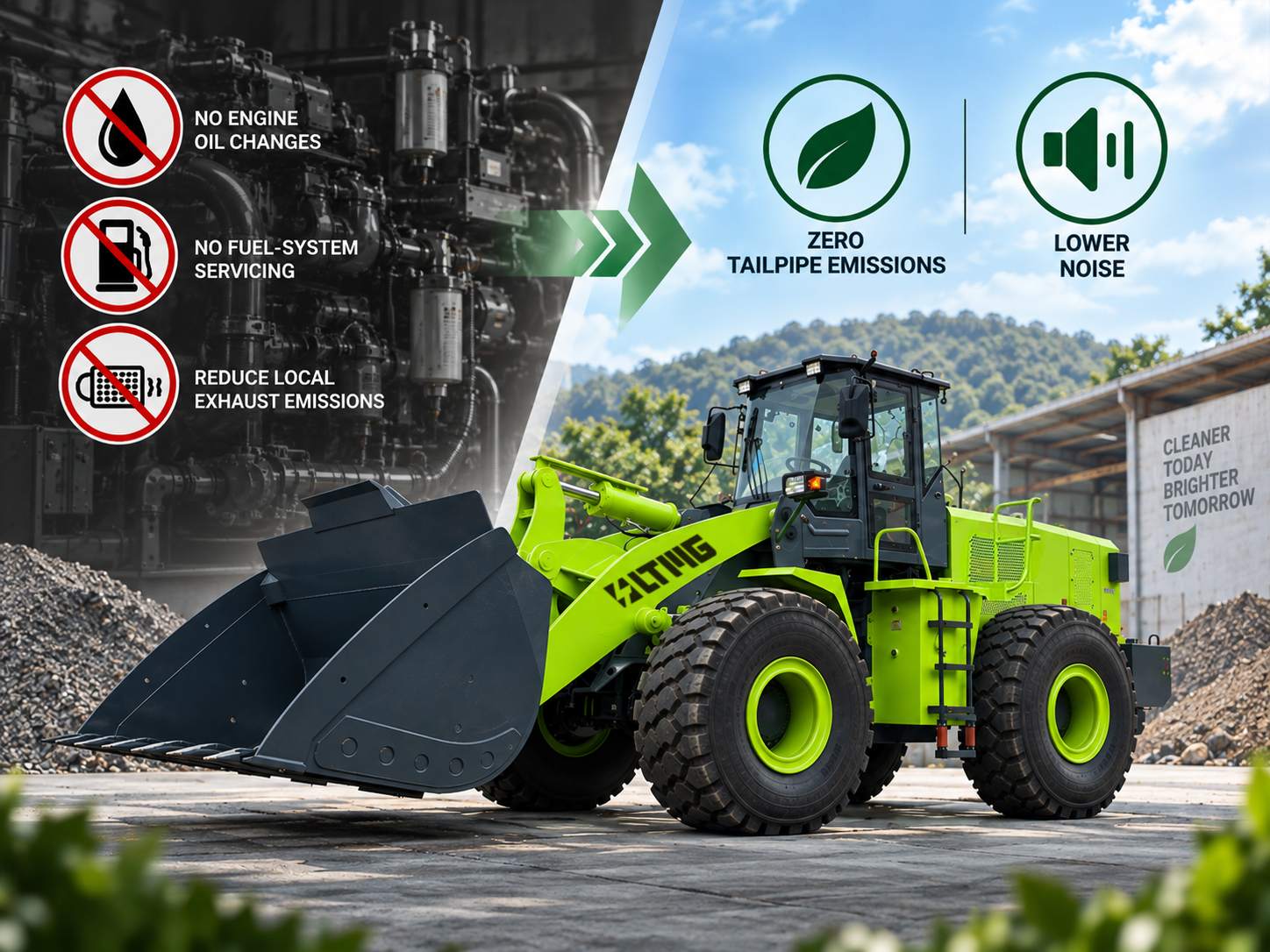
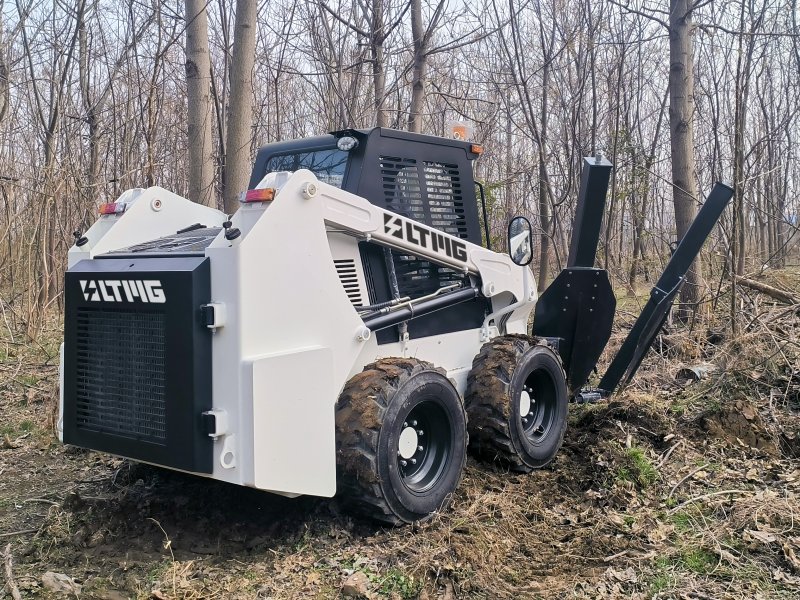
     أولاً: مقدمة: لماذا تحتاج الشركات الصغيرة إلى "مضاعف القوة"في سوق اليوم شديدة التنافس، لم تعد الكفاءة مجرد شعار، بل هي ضرورة للبقاء. بالنسبة للمقاولين العامين والمزارعين ومنسقي الحدائق ومديري المستودعات، يكمن هامش الربح في إنجاز المزيد من العمل بأقل عدد من العمال.القيمة الأساسية: ليست مجرد آلة، بل معزز للإنتاجيةإن الجرافة الانزلاقية ليست مجرد معدات؛ إنها أصل استراتيجي يوفر ثلاث مزايا تنافسية رئيسية للمؤسسات الصغيرة:1. خفة حركة لا مثيل لها: بفضل قدرتها على الدوران في نصف قطر صفري، فإنها تناور بسهولة عبر الأزقة الضيقة والمستودعات المزدحمة أو مواقع التجديد الداخلية الضيقة حيث لا يمكن للمعدات الثقيلة الأكبر حجماً أن تتسع.2. التنوع (تأثير "سكين الجيش السويسري"): بفضل مجموعة واسعة من الملحقات، يمكن تحويل آلة واحدة على الفور إلى حفارة أو رافعة شوكية أو منفاخ ثلج أو جرافة، مما يوسع نطاق خدماتك بشكل كبير.3. خفض تكاليف العمالة: يمكن لجرافة انزلاقية واحدة مع مشغل ماهر أن تكرر إنتاج طاقم عمل يدوي مكون من 3-5 أشخاص - دون أخذ فترات راحة أو التغيب بسبب المرض.لا يقتصر هذا الدليل على مجرد البحث عن معدات "رخيصة"، بل يركز على "الأداء العالي مقابل التكلفة". سنرشدك خلال دورة حياة المعدات بالكامل - بدءًا من تحليل الاحتياجات والاختيار الدقيق وصولًا إلى الصيانة منخفضة التكلفة - لمساعدتك على اتخاذ القرار الاستثماري الأمثل.   ثانيًا: الأساسيات: فهم اللوادر المدمجة للشركات الصغيرةقبل أن تفتح محفظتك، دعنا نلقي نظرة فاحصة لفهم ما تشتريه بالضبط.1. كيف يعمل؟ببساطة، اللودر ذو التوجيه الانزلاقي هو آلة صغيرة الحجم تقوم بالتوجيه عن طريق تغيير سرعة واتجاه العجلات (أو المسارات) على الجانبين المتقابلين.ببساطة: تدور هذه الآلة تمامًا كالدبابة، إذ يمكنها الدوران 360 درجة ضمن نطاقها. بالنسبة للشركات الصغيرة التي تعمل في مساحات ضيقة، مثل تنسيق الحدائق الخلفية أو أعمال الهدم الداخلي، تُعدّ هذه القدرة على المناورة لا غنى عنها.2. أي نوع يناسب موقع عملك؟السوق مليء بالخيارات، ولكن ينبغي على أصحاب المشاريع الصغيرة التركيز على هذه الفروقات الأساسية:بواسطة الهيكل السفلي (الحركة):جرافة انزلاقية ذات عجلات: سرعات سير أسرع ومثالية للأسطح الصلبة مثل الخرسانة أو الأسفلت أو التربة المضغوطة.عرض القيمة: انخفاض تكاليف استبدال الإطارات وصيانة أبسط مقارنة بالمسارات.الجرافات المجنزرة المدمجة (CTL): ضغط أرضي منخفض، مثالية للأراضي الموحلة أو الرملية أو ذات العشب الحساس.ملاحظة: على الرغم من أن العجلات ممتازة للطفو، إلا أن صيانتها مكلفة. ما لم تتطلب طبيعة الأرض ذلك، فإن العجلات غالبًا ما توفر عائدًا أفضل على الاستثمار.عن طريق المصعد:الرفع الشعاعي: تتحرك الجرافة في قوس. يوفر قوة اختراق فائقة وهو أبسط هيكليًا.الأفضل لـ: الحفر، والتسوية، والدفع. وهي عموماً أكثر ملاءمة للميزانية.الرفع العمودي: ترتفع الجرافة بشكل مستقيم للأعلى. يوفر ذلك ارتفاع رفع أكبر ومدى وصول أوسع في أعلى دورة التشغيل.الأفضل لـ: تحميل شاحنات التفريغ وتكديس المنصات.3. مواصفات آلة "عالية القيمة"بالنسبة للشركات الصغيرة، تشمل الخيارات الأمثل للحصول على جرافة انزلاقية فعالة من حيث التكلفة ما يلي:توافق عالٍ: مزودة بلوحة تثبيت سريعة عالمية قياسية، لذلك لن تكون مقيدًا بملحقات خاصة باهظة الثمن.الميكانيكية على الإلكترونية: على الرغم من أن الشاشات الرقمية براقة، إلا أن أدوات التحكم الميكانيكية للطيارين غالباً ما تكون أكثر متانة وموثوقية وأرخص في الإصلاح لأصحاب الأساطيل الصغيرة.قابلية الخدمة: باب خلفي ومبرد يفتحان بسهولة للوصول إلى الفلاتر والمحرك، مما يقلل من وقت التوقف أثناء الفحوصات الروتينية.ثالثًا: الاختيار الذكي: تحديد احتياجاتك الفعليةليست أغلى الآلات هي تلك التي تحمل سعراً باهظاً، بل تلك التي تبقى دون استخدام. تجنب الندم بعد الشراء بتحديد احتياجاتك أولاً.1. تأمين سيناريو صناعتكفي مجال الإنشاءات: ركز على المتانة وتدفق الزيت الهيدروليكي لتشغيل الكسارات الهيدروليكية. غالباً ما تكون آلة الرفع الشعاعي المتينة هي الآلة الأساسية في هذا المجال.الزراعة/الثروة الحيوانية: التركيز على سهولة الحركة في مختلف أنواع التضاريس (الطفو) وملاءمة تنظيف الحظائر. تُعدّ الكابينة المغلقة المزودة بنظام تكييف الهواء ضرورية لراحة المشغل وحمايته من الغبار والروائح.تنسيق الحدائق/البلديات: من المحتمل أنك تقوم بتغيير الأدوات بشكل متكرر (مثل مجارف الأشجار، والكنّاسات). تأكد من أن الآلة مزودة بتدفق هيدروليكي إضافي كافٍ لتشغيل هذه الملحقات التي تستهلك كميات كبيرة من الماء.2. حدد مواصفاتك بدقة (لا تخمن)اعتمد في قرارك على البيانات، وليس على الحدس:القدرة التشغيلية المقدرة (ROC): ما هي أثقل مادة تتعامل معها؟ (على سبيل المثال، إذا كانت منصة من البلاط تزن 800 كجم، فيجب أن تتجاوز القدرة التشغيلية المقدرة لآلتك 850 كجم).ارتفاع التفريغ: ما هو ارتفاع الألواح الجانبية لشاحنة التفريغ أو القادوس؟ تأكد من أن ارتفاع دبوس المفصلة يتجاوز الحافة بسهولة.القيود المتعلقة بالأبعاد: قم بقياس أصغر بوابة أو مدخل في موقع عملك المعتاد. إذا لم تتناسب الآلة مع هذا الحجم، فلن تكون مواصفات أدائها مهمة.  رابعاً: استراتيجيات التشغيل والصيانة الفعالة من حيث التكلفةبمجرد وضع الآلة في ساحة عملك، كيف تحافظ على انخفاض تكاليف التشغيل؟1. التشغيل الفعال يوفر الوقودتوقف عن عادة "الضغط الكامل على دواسة الوقود": في العديد من التطبيقات، يوفر الضغط على دواسة الوقود بنسبة 70-80% طاقة هيدروليكية كافية. أما التشغيل بأقصى طاقة فهو يزيد من استهلاك الوقود والضوضاء دون تسريع العمل.الانعطافات اللطيفة: تُعدّ الانعطافات الحادة والقوية السبب الرئيسي لتلف الإطارات والجنزير المطاطي. درّب المشغلين على استخدام الانعطافات على شكل حرف Y أو الانعطافات ثلاثية النقاط لإطالة عمر الهيكل السفلي.2. "الصيانة أرخص من الإصلاح".الشحم رخيص، والصلب باهظ الثمن: شحم جميع نقاط الارتكاز يوميًا. أنبوب الشحم لا يكلف سوى بضعة سنتات؛ بينما يكلف استبدال المسامير والبطانات البالية مئات الدولارات. احسبها بنفسك.افحص فلاتر الهواء بانتظام: مواقع البناء مليئة بالغبار. انسداد فلتر الهواء يجبر المحرك على العمل بجهد أكبر، مما يزيد من استهلاك الوقود. نظّفها بانتظام للحفاظ على كفاءة المحرك المثلى.مصادر قطع الغيار الذكية: بعد انتهاء فترة الضمان، يُنصح باستخدام فلاتر ومواد تشحيم عالية الجودة من علامات تجارية موثوقة. هذا من شأنه أن يقلل تكاليف مواد الصيانة بنسبة 50% دون المساس بمستوى الحماية.3. سحر الملحقات: آلة واحدة، مهام متعددةاستراتيجية الجمع بين عدة خيارات: شراء الآلة الرئيسية + دلو قياسي. ثم إضافة شوكة تحميل البضائع (بدلاً من الرافعات الشوكية) وآلة كنس (بدلاً من فرق التنظيف اليدوية).الاستئجار مقابل الشراء: بالنسبة للملحقات المتخصصة باهظة الثمن التي تستخدم مرة أو مرتين فقط في السنة (مثل آلة تسوية الأرض أو مجرفة الأشجار)، فإن الاستئجار أكثر فعالية من حيث التكلفة بكثير من الشراء.  خامساً: الاتجاهات المستقبلية: هل يستحق الأمر استخدام الجرافة الانزلاقية الكهربائية؟لا يزال الديزل هو المحرك الرئيسي، لكن الموجة الكهربائية قادمة. متى يكون استخدام الجرافة الكهربائية خيارًا مناسبًا للشركات الصغيرة؟التكلفة الأولية مقابل التكلفة الإجمالية للملكية على المدى الطويل: تُكلّف الطرازات الكهربائية حاليًا ما بين 30 و50% أكثر عند الشراء. مع ذلك، فإنّ تكاليف الطاقة فيها تُعادل عُشر تكاليف الديزل تقريبًا، ولا تتطلّب تغيير الزيت أو فلاتر الوقود أو إصلاحات مُعقّدة للمحرك.ميزة السوق المتخصصة: إذا كانت شركتك تقدم عروضًا لمشاريع داخلية، أو أعمال حفر في الأقبية، أو وظائف في مناطق حساسة للضوضاء (كالمستشفيات والمدارس)، فإن استخدام آلة كهربائية سيغير قواعد اللعبة. فهي تقضي على انبعاثات العادم والضوضاء، مما قد يمنحك عقودًا لا يستطيع منافسوك الذين يستخدمون الديزل الحصول عليها.الخلاصة: إذا كانت ساعات التشغيل اليومية لديك ثابتة ولديك بنية تحتية موثوقة للشحن في ساحتك، فإن فترة استرداد الاستثمار للرافعات الكهربائية تتقلص بسرعة - وغالبًا ما يتم استرداد التكلفة في غضون 2-3 سنوات فقط. سادساً: الخاتمةإن شراء جرافة انزلاقية التوجيه هو في الأساس استثمار في قدرات شركتك المستقبلية.إن منطق الاختيار الفعال من حيث التكلفة بسيط: قم بمطابقة المواصفات مع المهمة، واحسب التكلفة الإجمالية للملكية، وأعط الأولوية للموثوقية على حساب الميزات البراقة. هل أنت محتار بين نموذجين محددين؟ أو ربما لست متأكدًا من معدل العائد المطلوب لحجم عملك المحدد؟ تواصل معنا اليوم. نحن هنا لنقدم لك استشارات احترافية مبنية على البيانات لمساعدتك في بناء أسطولك.  
  • إتقان استخدام الحفارات الصغيرة: دليلك الأساسي لزيادة إنتاجية الحفارات الصغيرة في مواقع العمل الصغيرة
    إتقان استخدام الحفارات الصغيرة: دليلك الأساسي لزيادة إنتاجية الحفارات الصغيرة في مواقع العمل الصغيرة Nov 13, 2025
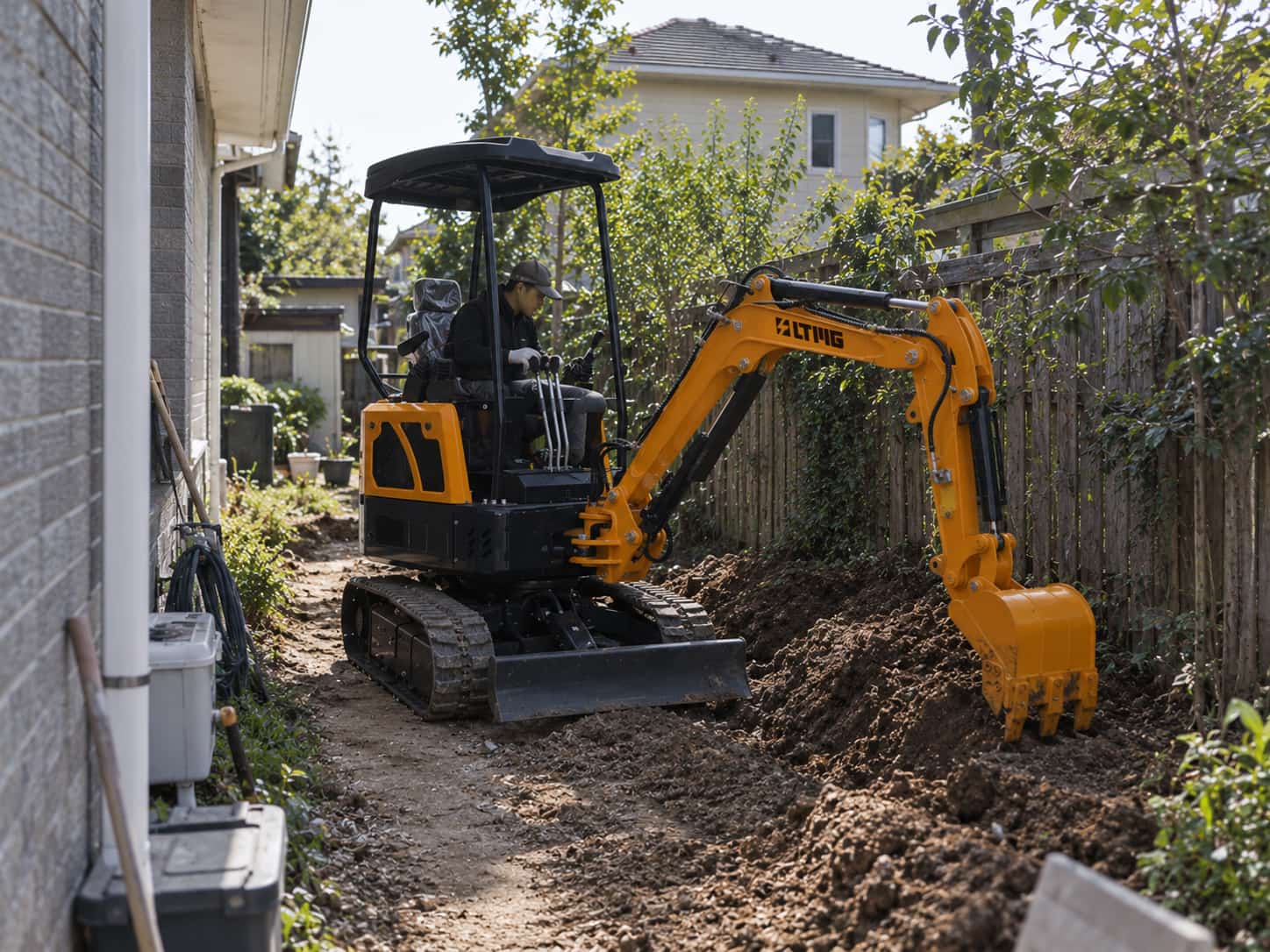
    أنا.مقدمة: التحديات الرئيسية في الأماكن المغلقة تُعاني مشاريع البناء الحديثة، التي تشمل صيانة المرافق الحضرية وتجديد المنازل وتنسيق الحدائق، من قيود متزايدة بسبب ضيق المساحة. تتطلب هذه المواقع المحدودة معدات ذات قدرة فائقة على المناورة ودقة متناهية. ورغم أن أي آلة قادرة على الحفر، إلا أن المقياس الحقيقي لنجاح مقاول البناء يكمن في إنتاجية حفارته الصغيرة، أي قدرتها على إنجاز أعمال عالية الجودة بسرعة وفعالية من حيث التكلفة ضمن حدود ضيقة.لا يعتمد هذا النجاح على مهارة المشغل فحسب، بل يعتمد أساسًا على موثوقية المعدات وأدائها المتأصل. صُممت مجموعة حفاراتنا المدمجة بفهم عميق لهذه الاحتياجات الأساسية، وهي مصممة خصيصًا لرفع كفاءة عملياتك إلى مستويات جديدة.s. ثانيًا: الميزة الأساسية: تعزيز الإنتاجية القائم على الأداء  تُعدّ المعدات عالية الجودة أساس العمل عالي الإنتاجية. تُحقق حفارتنا الصغيرة نقلة نوعية في أداء الآلة بشكل عام من خلال دمج مكونات أساسية مستوردة. وينعكس ذلك مباشرةً على استجابة هيدروليكية أسرع، وتحكم أكثر دقة، والأهم من ذلك بالنسبة لأي أسطول من معدات البناء، تقليل وقت التوقف المكلف إلى أدنى حد.1. متانة هندسية وسلامة هيكليةفي الأماكن الضيقة، تقوم المعدات بشكل متكرر بحركات عالية التردد وحمل أحمال ثقيلة، مما يختبر بشدة المرونة الهيكلية.تصميم أسطوانة هيدروليكية من نوع الجسر: نستخدم هيكل أسطوانة تشكيل قوي من نوع الجسر. يتميز هذا التصميم بمتانته العالية ومقاومته للكسر مقارنةً بالتصاميم التقليدية، مما يعزز بشكل كبير قدرة التحميل ومقاومة الصدمات، وهو معيار أساسي للموثوقية.موانع تسرب NOK مدمجة: تتميز الأسطوانات بموانع تسرب NOK مدمجة، معترف بها دوليًا لجودتها. تضمن هذه الموانع أداءً فائقًا في منع التسرب، مما يمنع بشكل فعال تسرب السوائل الهيدروليكية ويضمن التشغيل المستمر عالي الكفاءة للنظام الهيدروليكي، وبالتالي يقلل من التكلفة الإجمالية للملكية.فولاذ ممتاز ومعالجة مقاومة للتآكل: صُنع هيكل الآلة من فولاذ سميك عالي الجودة، وخضع لمعالجة متطورة بتقنية قولبة البلاستيك لتحسين سطحه. يوفر هذا مقاومة فائقة للصدأ والتآكل. تضمن هذه المتانة الحفاظ على سلامة الهيكل وطول عمر الجهاز، حتى في البيئات القاسية والرطبة والساحلية، وهي ميزة أساسية لأي متخصص أو مقاول تنسيق حدائق ذي خبرة. 2. نقل الطاقة بدقة وكفاءةلا تُقاس الإنتاجية التشغيلية بقوة الحفر فحسب، بل بالإنتاج الثابت والتحكم الدقيق في الطاقة.مخفضات سرعة عالمية الشهرة: يشتمل نظام القيادة على مخفضات سرعة من علامات تجارية عالمية مرموقة، مما يضمن التشغيل السلس والموثوقية العالية أثناء الدوران والتتبع. تُعد هذه الهندسة الدقيقة ضرورية لإجراء أعمال دقيقة بالقرب من المناطق الحساسة (مثل خطوط المرافق)، مما يقلل من الأخطاء الناتجة عن الاهتزاز أو الارتجاج.دوران الهيكل السفلي بزاوية 360 درجة: تُعدّ إمكانية الدوران الحر بزاوية 360 درجة لهيكل الآلة عاملاً أساسياً في زيادة الإنتاجية إلى أقصى حد. إذ يُمكن للمشغلين إتمام دورات الحفر والتفريغ كاملةً ضمن مساحات ضيقة دون الحاجة إلى إعادة ضبط وضعية الجنازير باستمرار، مما يُقلّل بشكل كبير من وقت دورة العمل. ثالثًا: التطبيق العملي: تصميم ذكي لتحسين العمل الميدانيتكمن الميزة الأساسية للحفارة الصغيرة في قابليتها للتكيف. يشتمل منتجنا على ميزات تركز على المستخدم مصممة خصيصًا للعمل الشاق في الهواء الطلق والبيئات المعقدة:هيكل الآلة الذكي: يُحسّن تصميم هيكل الآلة الذكي بيئة العمل، مما يجعل التشغيل سهلاً ويقلل من إجهاد المشغل. وهذا يضمن الحفاظ على كفاءة عالية، حتى خلال فترات العمل الطويلة التي تميز شركات المقاولات الإنشائية الكبرى.سهولة المناورة والوصول: يضمن تصميم الحفارة المدمجة وهيكلها المتطور سهولة تنقلها في المداخل الضيقة والممرات والأراضي ذات الغطاء النباتي الكثيف، مما يوسع نطاق عملياتك إلى مناطق يصعب الوصول إليها بالآلات الأكبر حجمًا. يُعد هذا نقلة نوعية في تجهيز المواقع وتسوية الأرض. رابعًا: الخاتمة: الاستثمار في الموثوقية، حصد إنتاجية عاليةبالنسبة للمقاول الخبير، يُعدّ توقف العمل التكلفة الأكبر. فالحفارة الصغيرة الموثوقة والفعّالة تُقلّل من مخاطر الأعطال المحتملة، مما يضمن الالتزام بالمواعيد النهائية والحفاظ على ثقة العميل.باختيارك حفارتنا المدمجة، فأنت لا تقتني مجرد آلة صغيرة، بل تستثمر في حل شامل عالي الإنتاجية مبني على أساس مكونات مستوردة، وهيكل متين، وأنظمة نقل حركة معترف بها دوليًا - حل مصمم لتقديم قيمة مستمرة لأعمالك. بادر بالتحرك: لا تدع المعدات غير الموثوقة تُهدر أرباحك. تواصل مع فريق خبرائنا أو تفضل بزيارة أحد موزعينا اليوم لتكتشف كيف يمكن لخط حفاراتنا الصغيرة، المدعوم بمتانته وأدائه الفائقين، أن يُحقق لك أكبر قفزة في الإنتاجية حتى في أصعب مواقع العمل.  
1 2 3 4 5 6 7 8 9

ما مجموعه 9الصفحات

اترك رسالة

ترك رسالة
إذا كنت مهتمًا بمنتجاتنا وترغب في معرفة المزيد من التفاصيل ، فالرجاء ترك رسالة هنا ، وسنرد عليك في أقرب وقت ممكن.
يُقدِّم
شاهد المزيد

ساعات الخدمة

تقدم LTMG خدمة استجابة عبر الإنترنت على مدار 24 ساعة

يرجى الاتصال بنا اذا كنت بحاجة إلى أي مساعدة

سوف نقوم بالرد في اسرع وقت ممكن

اتصل بنا #
+86 195 5920 7570

بيت

منتجات

واتس اب

اتصال

