مدونة
  • Wheel Loader Selection Guide: Choosing the Right Model and Tonnage for Your Industrial Projects
    Wheel Loader Selection Guide: Choosing the Right Model and Tonnage for Your Industrial Projects Jan 05, 2026
    Introduction: Why Selecting the Right Wheel Loader Matters In the heavy machinery industry, the wheel loader is a cornerstone of material handling. Choosing the right equipment can boost operational efficiency by over 30%. Conversely, a mismatch in selection often leads to equipment idling, unnecessary procurement costs, and project delays. This guide offers a comprehensive analysis of wheel loader models, tonnage, and various application scenarios. Whether you are a construction site manager, a mining operator, or a heavy equipment procurement officer, this framework will help you maximize your Return on Investment and operational output.     Fundamental Knowledge: Understanding Wheel Loader Specifications 2.1 Definition and Core Functions A wheel loader is a versatile earthmoving machine mounted on tires, designed to scoop, carry, and discharge materials using a front-mounted bucket. Beyond basic loading, its core industrial functions include: Bulk Material Handling: Efficiently moving sand, gravel, soil, and coal. Short-Distance Transport: Acting as a vital link between the job site and the stockyard. Stockpiling & Grading: Essential for logistics and warehousing management. Multipurpose Versatility: Through quick-coupler attachments, it can perform tasks such as bulldozing, leveling, and hydraulic breaking. 2.2 Classification: Mapping Models to Tonnage Understanding the classification system is the foundation of professional equipment procurement. By Structural Design Machine Category Tonnage Range Structural Features Key Advantages Typical Applications Standard Loader 3 - 8 Tons Traditional articulated frame Balanced & versatile General construction & earthworks Compact Loader 1 - 3 Tons Optimized for confined spaces Small turning radius; highly mobile Urban utility & indoor jobs Heavy-Duty Loader >10 Tons Reinforced structural frame High payload; extreme durability Large-scale mining & quarrying   By Power Source Power Type Tonnage Coverage Core Advantages Typical Applications Diesel Powered Full Range High torque; easy refueling Remote sites & heavy-duty tasks Electric (EV) 1 - 5 Tons Zero emissions; low noise Indoor warehouses & green projects Hybrid >5 Tons Optimized fuel efficiency High-frequency loading cycles   LT958 5 Ton Wheel Loader LT910 1 Ton Wheel Loader LT930 3 Ton Wheel Loader   3. Core Selection Dimensions: Matching Equipment to Scenarios 3.1 Industry-Specific Requirements Selecting a front-end loader requires a deep understanding of the working environment. Here is a breakdown of recommended tonnages for various sectors: Industry / Scenario Recommended Tonnage Key Selection Factors Residential Construction 3 Tons Compact body, small turning radius Infrastructure Projects 5 Tons High cycle speed, maximized bucket capacity Mining (Open-pit) 5 – 8+ Tons Heavy-duty frame, high breakout force Quarrying ≥6 Tons Rock-specific buckets, reinforced tires Agriculture & Livestock 2 – 3 Tons Corrosion resistance, attachment versatility Logistics & Warehousing 2 – 4 Tons Maneuverability, electric options for indoors Road Construction 5 – 6 Tons Large bucket, continuous high-intensity work   3.2 Strategic Procurement Considerations Beyond tonnage, professional buyers should evaluate these five dimensions to ensure long-term value: Site Constraints & Mobility: A standard 5-ton loader requires a turning radius of approximately 6 meters. For tight urban spaces, all-wheel steering or compact articulated models are preferred over raw power. Task Complexity & Attachments: If the job involves various tasks (e.g., pallet handling, snow removal), prioritize loaders with hydraulic quick-couplers. This transforms a single machine into a multi-tool asset. Investment and Budgeting: While the wheel loader price is a major factor in your procurement decision, focus on long-term ROI. A high-quality machine from a top-tier wheel loader supplier might have a higher upfront cost but will save you thousands in fuel and repairs over its lifespan. Total Cost of Ownership (TCO): The purchase price is only the tip of the iceberg. Focus on fuel efficiency, maintenance intervals, and the availability of spare parts. Reliable brands offer better resale value, which is a critical factor in fleet management. Fleet Synergy: A loader must match the capacity of your dump trucks. An imbalance (e.g., a loader bucket that is too small for the truck bed) creates bottlenecks and wastes fuel.   4. Common Pitfalls in Wheel Loader Procurement 1: Over-Specification (The "Bigger is Better" Myth): Operating a heavy machine at only 50% capacity leads to high fuel consumption and unnecessary wear. Aim for the 70%–90% utilization "sweet spot." 2: Ignoring Environmental Factors: High-salt, high-humidity, or high-dust environments require specialized coatings and filtration systems. Neglecting these "environment-ready" options will shorten the machine's lifespan. 3: Underestimating After-Sales Support: One common mistake is prioritizing the lowest wheel loader price over machine durability. Often, the cheapest option comes from an unverified wheel loader supplier with no local service network, leading to high 'hidden costs' when the machine breaks down on-site.   5. Conclusion: The Logic of Scientific Selection Successful wheel loader procurement is a balance between technical capability and economic efficiency. To make the best decision, synthesize these three pillars: Model Selection: Determines the technical route and task versatility. Tonnage Determination: Defines the boundaries of productivity and efficiency. Scenario Analysis: Identifies site-specific constraints and unique demands. For complex projects, we recommend consulting with a heavy machinery specialist to conduct a site-specific simulation. Choosing the right equipment is not just a purchase; it is the first step toward project profitability, and choosing a reputable wheel loader supplier is as important as the machine's specs. As a premier wheel loader supplier with decades of industry experience, we offer more than just high-quality equipment— we provide efficiency. Not sure which tonnage fits your specific job site? We are ready to provide a free site-loading analysis and a detailed wheel loader price list tailored to your project requirements.  
  • كيفية تشغيل أداة التحميل: دليل المبتدئين
    كيفية تشغيل أداة التحميل: دليل المبتدئين Feb 18, 2024
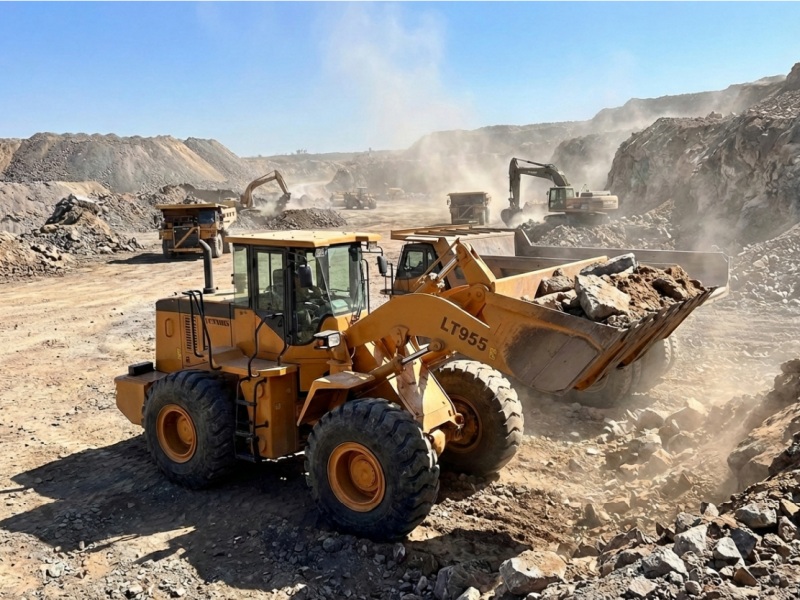
    مرحبا بكم يا عشاق الآلات الثقيلة! اليوم، نحن نغوص في عالم مثير لتشغيل الحمولة. سواء كنت مبتدئًا في مجال البناء أو تتطلع إلى رفع مستوى مهاراتك، فإن تشغيل هذه القطعة القوية من المعدات يمكن أن يغير قواعد اللعبة في حياتك المهنية. لذلك، استعدوا ودعنا نستكشف أساسيات إتقان أداة الحمولة مثل المحترفين! فهم الأساسياتقبل أن تقفز إلى مقعد السائق، من المهم أن تفهم المكونات الأساسية للرافعة. اللودر، ويُسمى أيضًا اللودر الأمامي، أو اللودر الأمامي، أو اللودر المغرفة، أو ببساطة اللودر، هو نوع من المعدات الثقيلة التي تُستخدم عادةً في عمليات البناء والتعدين. تم تجهيز الرافعات النافعة عادة بدلو مثبت في الأمام ومحرك قوي، لرفع وتحميل ونقل المواد المختلفة في مواقع البناء. تعرف على أدوات التحكم، بما في ذلك عجلة القيادة، والخانق، ودواسات الفرامل، وعصا التحكم لحركة الجرافة.  السلامة اولايجب أن تكون السلامة دائمًا على رأس أولوياتك عند تشغيل الآلات الثقيلة مثل الحمولة. قبل بدء تشغيل المحرك، قم بإجراء فحص شامل قبل التشغيل للتأكد من أن كل شيء في حالة عمل سليمة. تحقق من وجود أي علامات تلف أو تسربات وافحص الإطارات والمكونات الهيدروليكية والأضواء. لا تنس ربط حزام الأمان وضبط المرايا للحصول على رؤية مثالية. إتقان القدرة على المناورةإحدى المهارات الأساسية في تشغيل الحمولة هي إتقان قدرتها على المناورة. تدرب على القيادة في المناطق المفتوحة قبل التعامل مع الأماكن الضيقة أو مواقع العمل المزدحمة. تعرّف على استجابة التوجيه ومسافة الكبح، وحافظ دائمًا على سرعة آمنة، خاصة عند التنقل في التضاريس غير المستوية أو المنعطفات الحادة. إتقان التحكم في الجرافةيكمن قلب الحمولة في التحكم في الجرافة. تتيح لك عصا التحكم أو ذراع التحكم رفع الجرافة وخفضها وإمالتها وتفريغها بدقة. تدرب على تنسيق حركاتك لجمع المواد بكفاءة وإيداعها بدقة. تذكر الحفاظ على حمل ثابت وتجنب التحميل الزائد للجرافة، حيث يمكن أن يؤثر ذلك على توازن الماكينة واستقرارها. نصائح لتحقيق الكفاءةلزيادة إنتاجيتك في العمل إلى الحد الأقصى، إليك بعض النصائح لتشغيل اللودر بكفاءة:1. خطط لتحركاتك: قبل الاقتراب من الحمل، قم بتقييم الوضع وتخطيط تحركاتك وفقًا لذلك. قم بوضع الحمولة للوصول الأمثل وتقليل السفر غير الضروري.2. المشغل السلس: قم بممارسة حركات سلسة ومتحكم فيها لتقليل الصدمات والصدمات، والتي يمكن أن تؤثر على الحمل واستقرار الماكينة.3. ابق متيقظًا: كن دائمًا على دراية بما يحيط بك واحترس من العوائق والعمال الآخرين والمخاطر المحتملة في موقع العمل.4. مسائل الصيانة: الصيانة المنتظمة ضرورية للحفاظ على اللودر الخاص بك في أفضل حالة. اتبع إرشادات الشركة المصنعة فيما يتعلق بفترات الخدمة وقم بمعالجة أي مشكلات على الفور لمنع التوقف عن العمل.  يعد تشغيل اللودر فنًا وعلمًا في نفس الوقت، ويتطلب مهارة ودقة وعينًا حريصة على السلامة. ومن خلال إتقان أساسيات القدرة على المناورة، والتحكم في الجرافة، والكفاءة، يمكنك أن تصبح مشغلًا واثقًا وقادرًا في وقت قصير. وجود مورد موثوق به يعرف كل شيء رافعات شوكية ستضمن بروتوكولات السلامة حماية فريقك ومركبتك لتحقيق أعلى مستوى من الأداء. يمكن لشركة LTMG Machinery تقديم مشورة الخبراء لوحدات الجودة، مما يضمن تحقيق أهداف عملك. لذا، استعد، واجلس خلف عجلة القيادة، ودعنا نجعل رفع الأثقال أمرًا سهلاً! 

اترك رسالة

ترك رسالة
إذا كنت مهتمًا بمنتجاتنا وترغب في معرفة المزيد من التفاصيل ، فالرجاء ترك رسالة هنا ، وسنرد عليك في أقرب وقت ممكن.
يُقدِّم
شاهد المزيد

ساعات الخدمة

تقدم LTMG خدمة استجابة عبر الإنترنت على مدار 24 ساعة

يرجى الاتصال بنا اذا كنت بحاجة إلى أي مساعدة

سوف نقوم بالرد في اسرع وقت ممكن

اتصل بنا #
+86 195 5920 7570

بيت

منتجات

واتس اب

اتصال

