مدونة
  • Electric Wheel Loader vs Diesel Wheel Loader: A Complete Cost Comparison
    Electric Wheel Loader vs Diesel Wheel Loader: A Complete Cost Comparison Sep 18, 2026
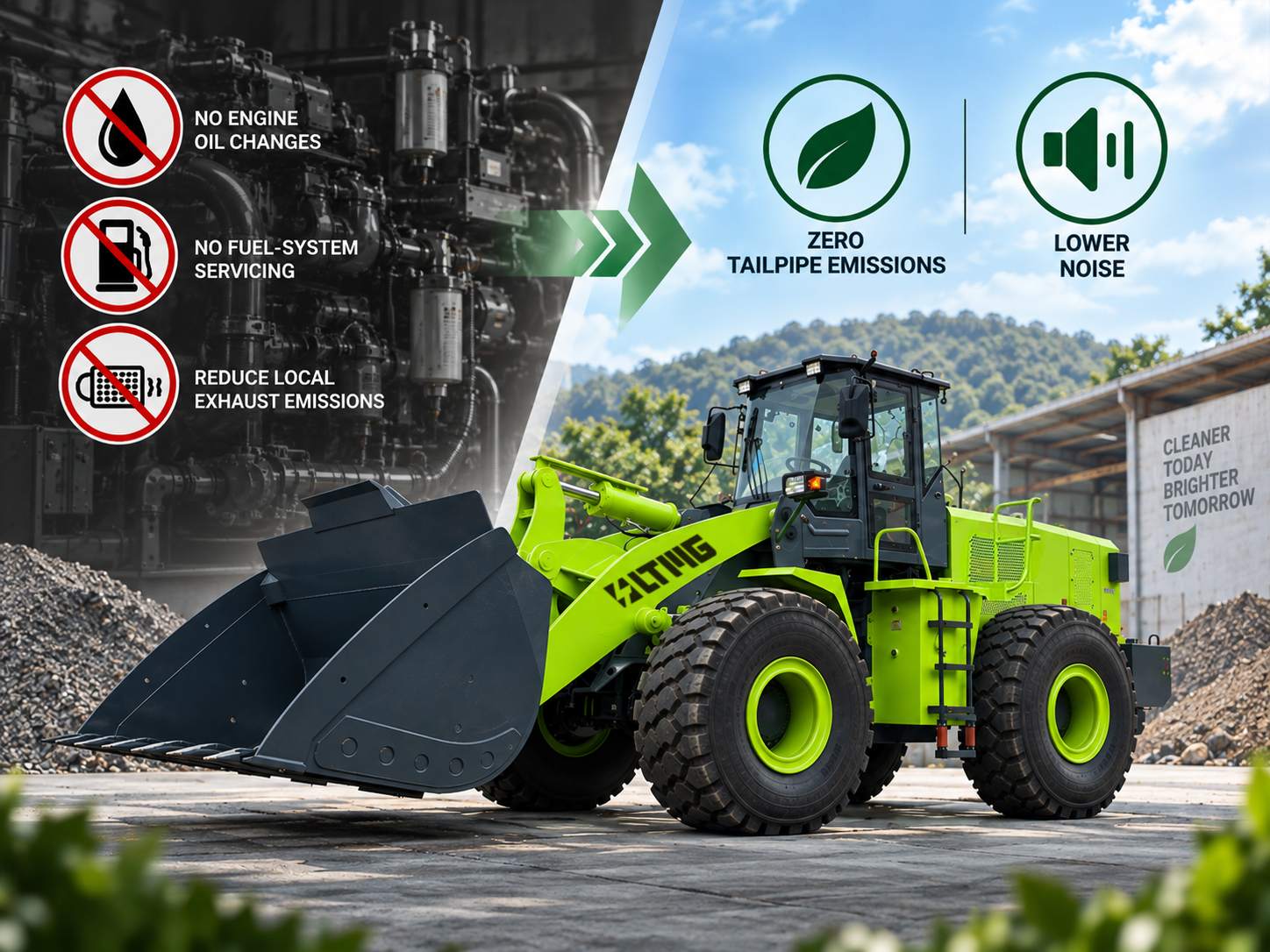
    An electric wheel loader vs diesel comparison starts with a practical question: which machine can handle your material at a lower total cost without disrupting production? Purchase price matters, but energy consumption, charging access, maintenance requirements and annual productive operating hours also influence the result. Electric loaders can offer attractive economics at sites with reliable electricity, predictable shifts and substantial workloads. Diesel loaders remain a practical choice when power is unavailable or the work schedule leaves little time for charging. The right purchasing decision depends on your loading cycle and infrastructure, not just the energy source. This guide compares performance, daily operating requirements and ownership costs, with an illustrative calculation you can adapt to your site.   Power & Performance Comparison   For a wheel loader, powertrain performance ultimately translates into how efficiently it can dig, lift, travel and unload. To determine whether an electric machine can handle the same tasks as a diesel model, compare rated payload, traction, gradeability and actual output rather than power ratings alone. The table below compares the basic specifications of two 5-tonne wheel loaders:   Specification LT950EV Electric Loader LT955 Diesel Loader Power source Battery-electric drive Diesel engine Rated load 5,000 kg 5,000 kg Operating weight 18,500 kg 16,500 kg Bucket capacity 3 m³ 3 m³ Maximum climbing angle 28° 28° Maximum dump height 3,350 mm 3,200 mm Lift time 5.8 seconds ≤6.8 seconds Specifications are provided for comparison. The configuration supplied must be confirmed in the technical agreement.   Both machines can be considered for similar load requirements, although their configurations are not identical. When selecting a loader, match material density, bucket capacity, actual payload and travel distance to your application.     How Does Gradeability Compare?   Neither diesel nor electric power alone guarantees better climbing ability. Loaded climbing performance depends on traction, gearing, continuous power output and cooling capacity. For example, the LTMG LT950EV electric loader and LT955 diesel loader both have a specified maximum climbing angle of 28°. Their power source alone therefore provides no basis for concluding that one has better gradeability. For electric equipment, confirm whether extreme temperatures or a low battery state of charge can limit power output. With either type, assess loaded travel speed on your actual ramps, braking performance and the manufacturer’s operating limits. A published maximum climbing angle does not mean the machine can safely work on every slope at that angle. Load position, ground conditions and travel direction all affect stability.     Charging Time, Range and Refueling Efficiency Comparison Runtime Depends on the Work Cycle   Battery capacity alone cannot tell you how long a loader will operate. Continuous truck loading, long loaded travel distances, steep ramps and power-intensive attachments have different energy demands from intermittent yard handling. A useful planning formula is: Estimated operating time = usable battery energy ÷ average battery energy consumption per operating hour For example, if 120 kWh is available within the planned operating charge range and the machine consumes an average of 20 kWh per operating hour, estimated runtime would be approximately six hours. This is a calculation example, not a measured result for a specific model. Allow for reserve charge, battery aging, ambient temperature and heating or air-conditioning demand. Also distinguish an eight-hour shift that includes breaks from eight hours of continuous loading.   Charging Must Fit the Production Schedule   When fuel is available close to the machine, diesel refueling generally involves a shorter interruption. Electric charging is easier to integrate when the loader already stops overnight, during lunch or between shifts. Before ordering, confirm: The starting and target charge levels behind the stated charging time. The machine’s maximum accepted charging power. Available site voltage, electrical capacity and charging connector compatibility. Whether multiple machines will share the same electrical supply. Charger installation costs and the production cost of any additional downtime. The charger’s rated output is only one limiting factor. The machine, battery temperature and site power supply can also restrict charging speed. Overnight charging that finishes before work begins may have no impact on production. An unplanned charging stop during a busy truck-loading period, however, can be costly even when electricity is inexpensive.     Operating Cost: Electricity vs Diesel Fuel Calculate Energy Cost per Operating Hour   An electric loader cost comparison should use consumption measured under comparable working conditions: Diesel energy cost/hour = fuel consumption in liters/hour × delivered diesel price/liter Electric energy cost/hour = grid electricity consumption in kWh/hour × electricity price/kWh For electric equipment, use energy recorded at the charger or electricity meter so that charging losses are included. Add demand charges or other electricity tariff costs separately where applicable. The following example assumes that both loaders complete the same amount of work per productive operating hour. All prices, consumption rates and purchase costs used for illustration are hypothetical inputs, not LTMG quotations, market averages or verified equipment test data.   Assumption Diesel Loader Electric Loader Annual productive operating hours 2,000 hours 2,000 hours Average energy consumption 8 L/hour 20 kWh/hour measured at the meter Energy price $1.20/L $0.15/kWh Energy cost per hour $9.60 $3.00 Annual energy cost $19,200 $6,000    Under these assumptions, the electric loader saves $6.60 per operating hour, or $13,200 per year. The result is highly sensitive to local energy prices. If electricity rises to $0.30/kWh, the electric loader’s energy cost increases to $6.00/hour, reducing annual energy savings to $7,200. Before making a purchasing decision, substitute your actual delivered diesel price and electricity tariff.   Extend the Calculation to Ownership Costs   Lower energy costs do not necessarily offset a higher purchase price. A practical ownership cost model is: Ownership cost = purchase + infrastructure + energy + scheduled maintenance + repairs + financing + downtime − resale value Include operator costs, tires, insurance and other expenses where they differ between the two options.   Account for Major Cost Uncertainties   Before relying on a payback estimate, obtain the battery warranty terms, capacity-retention requirements, replacement pricing and details of local service support. Include battery replacement in your cost model if the planned ownership period and duty cycle make it a relevant consideration. Finally, compare cost per tonne of material handled. A machine that completes fewer loading cycles or requires more downtime may have a higher cost per unit of output, even if its hourly operating cost is lower.   Maintenance & Noise/Emission Differences Electric Power Eliminates Engine-Related Service Tasks   Battery-electric loaders do not require diesel engine oil changes, fuel-system servicing or engine exhaust-aftertreatment maintenance. For diesel equipment, aftertreatment maintenance requirements vary by engine and configuration. Electric equipment still requires maintenance of hydraulic systems, lubrication points, tires, brakes, axles and electrical components. Cooling systems and charging connections must also be inspected according to the machine’s service schedule.   Zero Tailpipe Emissions and Lower Noise   A battery-powered zero emission wheel loader produces no tailpipe exhaust during operation. This is valuable in enclosed material-handling areas and on projects seeking to reduce local exhaust emissions. However, “zero emissions” does not mean zero environmental impact. Electricity generation, battery production and the machine’s full lifecycle still matter. Dust from material handling and tire wear also remain. Removing engine combustion noise can make operation quieter, but hydraulics, fans, alarms and bucket impacts still generate sound.     Which One Fits Your Site: Indoor, Urban or Remote Site?   Site or Operating Pattern Option to Consider First Main Purchasing Consideration Indoor material handling Battery electric No tailpipe exhaust; verify machine dimensions, floor load capacity and application suitability Urban projects with strict exhaust or noise requirements Battery electric Confirm project requirements and suitable charging access Fixed industrial yards with high annual utilization Battery electric Ongoing energy savings may offset the higher initial investment Remote sites with limited electricity Diesel Fuel delivery may be more practical than establishing charging infrastructure Continuous operation across multiple shifts Depends on site conditions Compare charging windows, electrical capacity and backup requirements Occasional or seasonal operation Compare both carefully Fewer annual operating hours make it harder to recover the additional electric investment through operating savings   When choosing between an electric and a diesel wheel loader, start with your daily material-handling target in tonnes. Then assess machine capacity, energy supply and ownership costs. Explore LTMG’s electric and diesel wheel loader ranges and ask the sales team for a comparison based on your required payload, material density, operating hours, travel distance and local energy prices. The quotation should identify the battery configuration, charger, warranty and after-sales support so that your cost estimate reflects the equipment you will actually receive.     FAQ How Long Can an Electric Wheel Loader Run on One Charge? Runtime depends on battery capacity, workload, travel distance, ambient temperature and attachments. Confirm whether the supplier’s runtime figure refers to continuous operation or an entire shift that includes idle time or breaks. How Much More Does an Electric Wheel Loader Cost Than a Diesel Model? There is no single reliable price premium that applies across all sizes and configurations. Compare quotations with equivalent payload, attachments, warranty and delivery terms, then add the cost of charging infrastructure. Are Electric Wheel Loaders Suitable for Indoor Work? Yes. Battery-electric loaders produce no tailpipe exhaust during operation, making them suitable for indoor material handling where the application matches the machine’s capabilities.You still need to confirm machine dimensions, floor load capacity, operating clearances and suitability for the materials being handled. Dust control, general ventilation and any hazardous-area requirements must also be assessed separately.    
  • مزايا المحملات في التعدين
    مزايا المحملات في التعدين May 07, 2025
    تتطلب صناعة التعدين معدات متينة قادرة على تحمل أحمال عمل شاقة، وبيئات قاسية، ومواعيد نهائية ضيقة. ومن بين العديد من الآلات الرئيسية، تتميز اللوادر بتعدد استخداماتها وقدرتها على التحمل، مع مزايا لا مثيل لها في مناولة المواد، وتجهيز المواقع، وكفاءة التشغيل. تتناول هذه المقالة بشكل رئيسي كيفية قدرة اللوادر الحديثة على مواجهة التحديات الرئيسية لصناعة التعدين، وتحقيق قيمة طويلة الأجل، على أمل تقديم اقتراحات فعّالة للعاملين في هذا المجال. 1. تصميم المحمل المتقدم يحسن الإنتاجيةحديث محملات مصممة لزيادة الإنتاجية في العمل. على سبيل المثال، رافعات شوكية تجمع هذه الرافعات بين دلاء كبيرة السعة ومحركات قوية لنقل المواد السائبة بسرعة. تتيح أنظمتها الهيدروليكية المُحسّنة دورات عمل سريعة ووقت توقف أقل بين مرحلتي التحميل والنقل. كما تتميز الرافعات المفصلية بكفاءتها العالية في المساحات الضيقة بفضل توجيهها الرشيق وهياكلها المدمجة، مما يضمن سلاسة الحركة في المناجم تحت الأرض أو المواقع المزدحمة. تُترجم هذه الميزات إلى إنتاج أعلى لكل وردية عمل، وهو معيار أساسي لمشاريع التعدين الحساسة للتكلفة.2. المتانة في الظروف القاسيةتُختبر بيئة التعدين المعدات إلى أقصى حدّ، من خلال المواد الكاشطة ودرجات الحرارة القصوى والتضاريس الوعرة. يواجه كبار المصنّعين هذا التحدي بتزويد الرافعات الثقيلة بهياكل مُقوّاة ومكونات مقاومة للتآكل وأنظمة تبريد متطورة. على سبيل المثال، تتحمل الهياكل السفلية المتخصصة والدلاء الفولاذية السميكة الصدمات المستمرة، بينما تمنع الأنظمة الكهربائية المُحكمة دخول الغبار والرطوبة. تُقلّل هذه المتانة من الصيانة غير المُخطط لها وتُطيل عمر المعدات، حتى في أقسى البيئات.3. التنوع من خلال الملحقات القابلة للتخصيصبالإضافة إلى عمليات الجرافة القياسية، يُمكن تصميم المحمل لتلبية احتياجات ملحقات المحمل التعديني، مما يوفر مرونةً لا مثيل لها. يُمكن تغيير المقابض وشوك الصخور والكسارات الهيدروليكية بسرعة من خلال نظام التغيير الهيدروليكي السريع لأداء مهام مثل فرز الخامات، وتنظيف الحطام، وتكسير الصخور. تُقلل هذه المرونة من الحاجة إلى آلات متعددة، وتُبسط سير العمل، وتُخفض تكاليف التشغيل. على سبيل المثال، يُمكن لمحمل صغير الحجم مُزود بشفرة تسوية الانتقال من تحميل المواد إلى تسوية الموقع في دقائق معدودة، مما يُحسّن من استخدام الموارد.4. سلامة المشغل والابتكار في بيئة العملالسلامة أولوية قصوى في قطاع التعدين، وتُدمج اللوادر الحديثة ميزات متعددة للحفاظ على سلامة المُشغّلين. الكابينة الفسيحة والعازلة للصوت مُجهزة بأدوات تحكم مريحة لتقليل التعب الناتج عن نوبات العمل الطويلة. تُحسّن الكاميرات وأجهزة استشعار القرب الرؤية وتُقلل من النقاط العمياء، بينما تمنع الأنظمة الآلية، مثل أنظمة استشعار الحمولة الهيدروليكية، التحميل الزائد. إضافةً إلى ذلك، تُصبح اللوادر الكهربائية تدريجيًا بديلاً أكثر أمانًا وخاليًا من الانبعاثات للعمليات تحت الأرض، بما يتماشى مع أهداف التنمية المستدامة العالمية. لماذا تختار محملات LTMG لتحقيق التميز في التعدين؟عند اختيارك لوادر التعدين، تتميز LTMG بحلولها المبتكرة التي تركز على العملاء. تتميز LTMG بتكنولوجيا وخدمات ممتازة، مما يضمن جودة اللودر مع التركيز على تجربة المستخدم. باختيارك LTMG، ستحصل ليس فقط على آلات متينة، بل أيضًا على شريك ملتزم بالكفاءة والسلامة وتكلفة الملكية الإجمالية. إذا كنت مهتمًا، تواصل معنا لاستكشاف كيف يمكن لخبرة LTMG أن تعزز إنتاجية مشروعك القادم.بريد إلكتروني: market@ltmg.comواتساب: +86 18259493402
  • تعدد استخدامات المحملات: أداة أساسية للهندسة الحديثة
    تعدد استخدامات المحملات: أداة أساسية للهندسة الحديثة Mar 26, 2025
     في عالم البناء والصناعة سريع الوتيرة اليوم، تُعدّ الفعالية والقدرة على التكيف أمرًا بالغ الأهمية. وهنا يأتي دور المحمل العصري - جهاز مكتبي متعدد الاستخدامات تطوّر بشكل كبير ليتجاوز أعمال الحفر التقليدية. من مبادرات البنية التحتية للمدن إلى العمليات الزراعية، محملات لقد أصبح العمل التطوعي حجر الزاوية في الإنتاجية، حيث أصبح من الممكن التبديل بين أكثر من دور لمواجهة التحديات والمتطلبات.  الكفاءة متعددة الوظائف عبر الصناعاتحديث محملات صُممت هذه الآلات لتُقدم أكثر من مجرد التعامل مع المواد. فهي مُجهزة بأنظمة هيدروليكية ذكية وملحقات سريعة، ما يُتيح لها التبديل بسهولة بين الدلاء والخطافات وجرافات الثلج. في مواقع البناء، تُبسط هذه الآلات مهام مثل إزالة الأنقاض والتسوية ورفع الأحمال الثقيلة. وفي الزراعة، تُساعد المحملات في التعامل مع الأعلاف وتنظيف الحظائر وتجهيز الأرض. حتى المرافق اللوجستية تعتمد على المحملات لنقل المنصات بسرعة وتنظيم المستودعات. تُقلل هذه المرونة من وقت التوقف عن العمل وتُعزز عائد استثمار أعمالك إلى أقصى حد.الاستدامة وراحة التشغيلبالإضافة إلى قدرتها على أداء مجموعة واسعة من المهام، صُممت اللوادر الحديثة لتكون أكثر كفاءة في استهلاك الوقود، مما يُقلل من تكاليف التشغيل. تُعدّ الاستدامة عاملاً أساسياً، لا سيما مع تزايد التركيز على القضايا البيئية في قطاع البناء. إضافةً إلى ذلك، تتميز العديد من اللوادر الآن بميزات أمان متقدمة وتصميمات مريحة تُولي راحة المُشغّل الأولوية، مما يضمن بيئة عمل أكثر أماناً وصديقة للبيئة.التشغيل السلس في البيئات القاسيةمن الوظائف الأساسية الأخرى للرافعات العملاقة القدرة على العمل بسلاسة في البيئات الصعبة. صُممت هذه الآلات لتحمل قسوة مواقع التطوير، وهي مزودة بمحركات فعّالة وهياكل هيدروليكية تضمن أفضل أداء حتى في ظل الأحمال الثقيلة. سواءً كانت تحمل الحصى أو الرمل أو نفايات التطوير، فإن أنظمة الدفع الفعّالة لهذه الرافعات تضمن تشغيلًا سلسًا وسرعة في الإنجاز، مما يعزز كفاءة تشغيل العملاء بشكل ملحوظ.  نبذة عن LTMGللعملاء الراغبين في تعزيز كفاءتهم التشغيلية بمعدات موثوقة ومتعددة الاستخدامات، توفر رافعاتنا حلاً ممتازًا مصممًا لتلبية متطلبات مشاريع البناء الحديثة. ليس فقط المعدات نفسها ما يميزنا، بل التزامنا بالخدمة المتميزة. نقدم دعمًا لا مثيل له لما بعد البيع لضمان بقاء معدات عملائنا في حالة مثالية طوال دورة حياتها.باختصار، مُحمّلنا ليس مجرد آلة، بل أداة متعددة الاستخدامات تُغيّر أسلوبك في الإنشاءات. بفضل قدرته على التعامل مع مهام متعددة وأدائه القوي والموثوق، يُعدّ إضافة مثالية لأي أسطول. بفضل الجمع بين المعدات الرائعة والخدمة الاستثنائية، نصبح الخيار الأمثل لمحترفي الإنشاءات الذين يتطلعون إلى تحقيق أقصى قدر من الكفاءة وتقليل فترات التوقف. ?البريد الإلكتروني: market@ltmg.com?واتساب/ويشات: +86 19559207570  
  • التطبيقات المبتكرة للرافعات في الزراعة: تعزيز الكفاءة في الإنتاج الزراعي
    التطبيقات المبتكرة للرافعات في الزراعة: تعزيز الكفاءة في الإنتاج الزراعي Feb 14, 2025
    يتطور برنامج الميكنة والأتمتة في التصنيع الزراعي الدولي بسرعة، وخاصة مع الاستخدام الواسع النطاق المعدات الثقيلة في الزراعة. كأداة متعددة الوظائف، محمل أحدثت ثورةً في الزراعة، أبرزها تحسين كفاءة التصنيع من خلال تحسين العمليات الزراعية. تستكشف هذه المقالة الاستخدام المتطور للرافعات في الزراعة، وكيف تُسهم في تحديث الزراعة.  تطبيقات متنوعة للمحملات في الزراعةال رسم من المحملات يجعلهم إلى حد ما قابلة للتكيف معدات ل فريد بيئات العمل. وخاصةً في البيئات الزراعية مثل الحقول والبساتين والصوبات الزراعية، تُستخدم المحملات أكثر فأكثر قيد الاستخدام. فيما يلي بعض ثوري الوظائف من المحملات في المجال الزراعي1. زراعة التربة وتحسينهاالتربة الصحية هي أساس من الإنتاج الزراعي، و صديق للبيئة تربة إدارة يكون إلزامي ل النمو غلة المحاصيل، خصيصا في الزراعة واسعة النطاق. تلعب الجرافات دورًا ضروري وظيفة في التربة تحسين العمليات. مجهزة بـ رقم المرفقات، يمكن للمحملات تشغيل الواجبات مثل حرث التربة العميق، والحرث، وتسوية الأرض. هؤلاء سمات يساعد تحسين بنية التربة، يحسن التهوية، وتعزيز صحي نمو المحاصيل. استخدام محمل لزراعة التربة يتجنب عدم الكفاءة و مُبَالَغ فيه تَعَب عمق ل المعتاد مرشد تَعَب.2. نقل المحاصيل بعد الحصادخلال موسم الحصاد، يتم تحميل المحملات عادة تستخدم لنقل الحصاد النباتات من الحقول إلى مناطق التخزين أو مركبات النقل. أما بالنسبة للمزارع الزراعية واسعة النطاق، استخدام محملات ما بعد الحصاد قماش التعامل مع الآن لا بِمُفرَدِه يحسن الفعالية لكن بالإضافة إلى ذلك يقلل من جسديًا العمل المطلوب. يمكن استخدام دلو المحمل بسرعة وتحميل المحاصيل بشكل آمن، تناقص الاعتماد على مرشد التعامل مع و التأكد من صديق للبيئة و سهل عمليات الحصاد.3. البستنة وإدارة البساتينبستان إدارة هو أساسي قسم من الإنتاج الزراعي، و تعزيز الفعالية في جَسِيم البساتين هي مفتاح النجاح. مجهز مع متخصص المرفقات، يمكن بشكل صحيح التعامل مع الواجبات مثل إزالة الفروع المقطوعة، ونقل الفاكهة المحصودة، و الاستفادة من الأسمدة. العديد عملاق البساتين لديها إلى حد كبير زيادة إدارة الفعالية عن طريق استخدام محملات، تناقص مرشد تَعَب، التأكد من مرتبة تطوير البيئة، و عاجلا أو آجلا النمو كل إنتاجية وجودة الفاكهة.4. العمليات الداعمة في تربية الحيواناتعلى نطاق واسع حيوانات المزرعة المزارع، اللوادر هي على نطاق واسع تستخدم ل الواجبات مثل نقل الأعلاف وتنظيف السماد وإدارته الماشية مقيم المناطق. على سبيل المثال، يمكن للمحملات نقل الأعلاف السائبة و سلس نفايات الحيوانات، داعم يحفظ النظافة في المزرعة. هذه المهام، تاريخيا تم تنفيذها يدويا، هي أقل ب

اترك رسالة

ترك رسالة
إذا كنت مهتمًا بمنتجاتنا وترغب في معرفة المزيد من التفاصيل ، فالرجاء ترك رسالة هنا ، وسنرد عليك في أقرب وقت ممكن.
يُقدِّم
شاهد المزيد

ساعات الخدمة

تقدم LTMG خدمة استجابة عبر الإنترنت على مدار 24 ساعة

يرجى الاتصال بنا اذا كنت بحاجة إلى أي مساعدة

سوف نقوم بالرد في اسرع وقت ممكن

اتصل بنا #
+86 195 5920 7570

بيت

منتجات

واتس اب

اتصال

